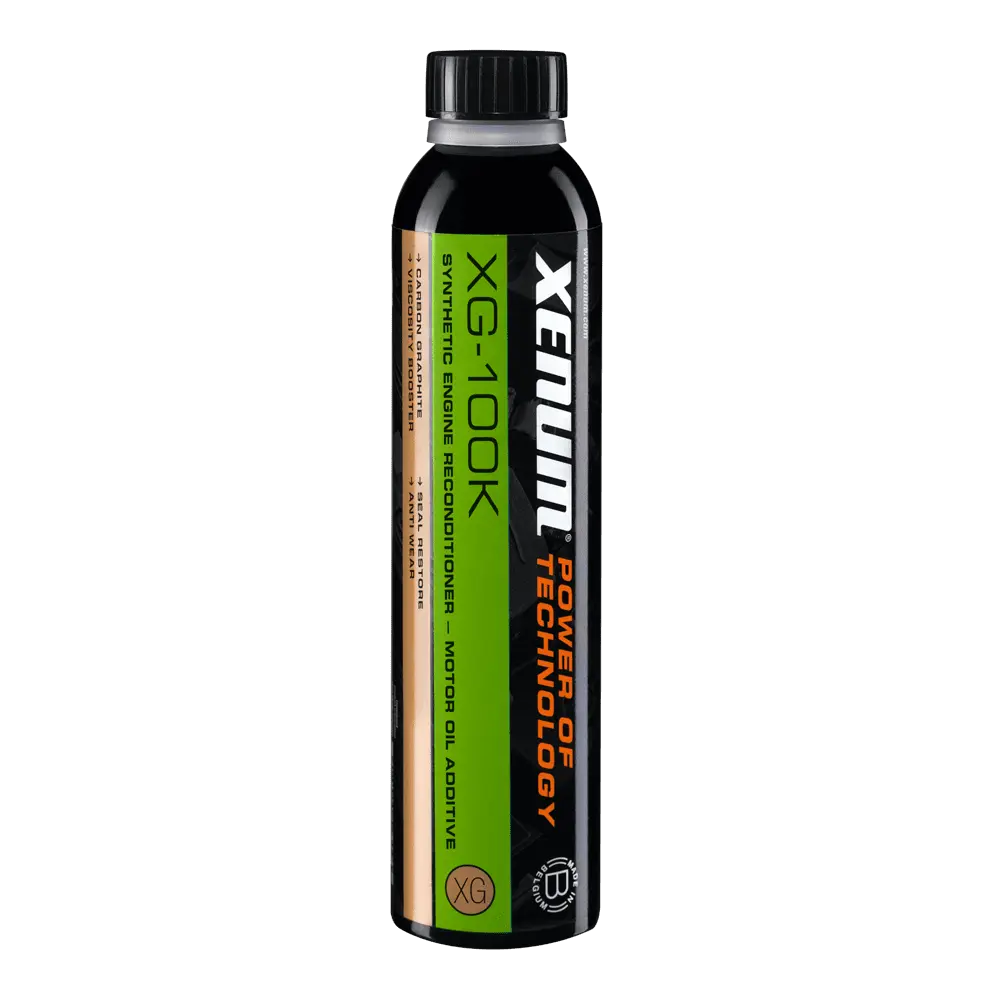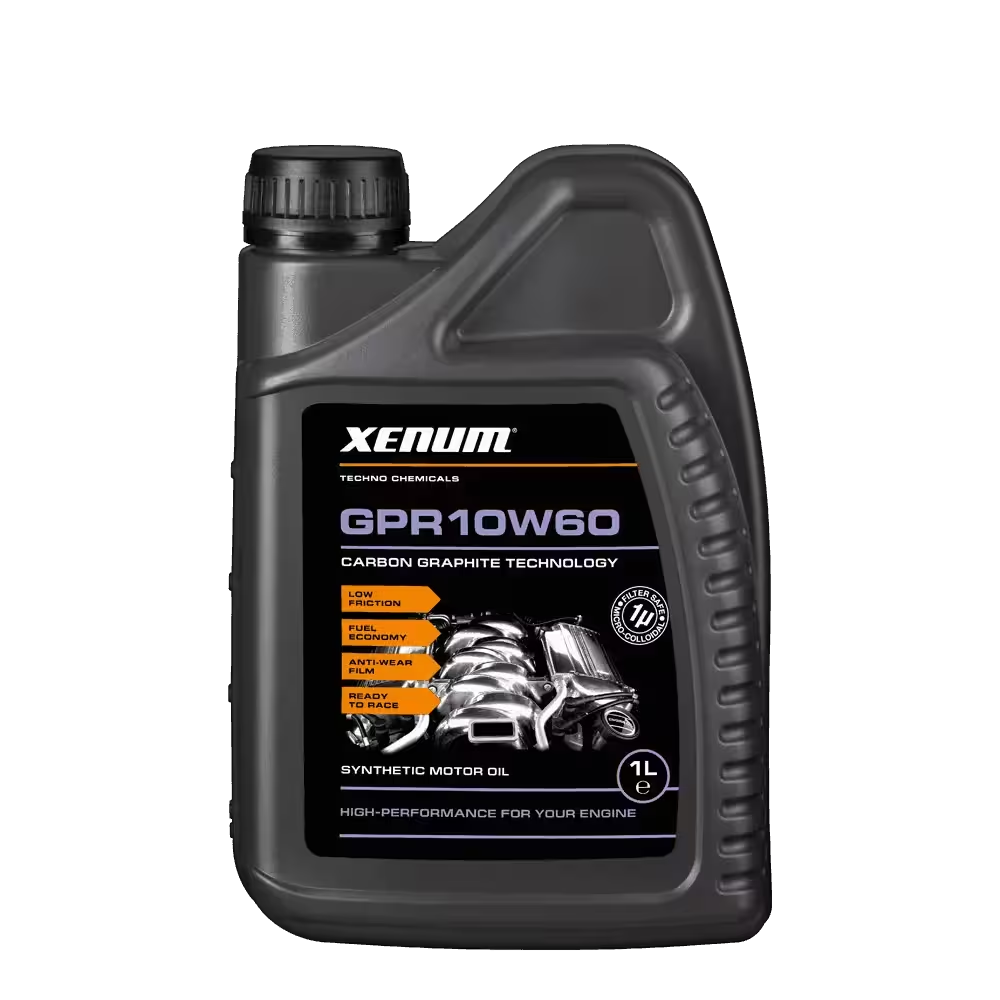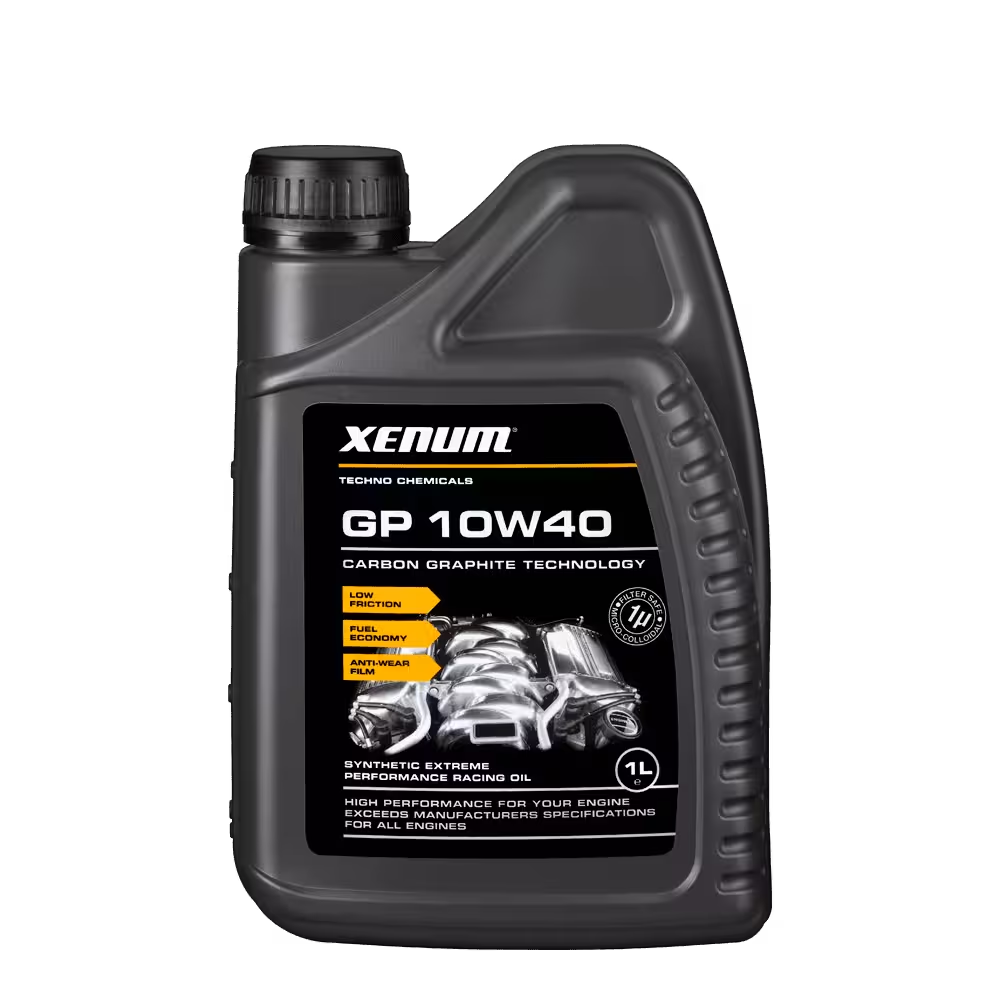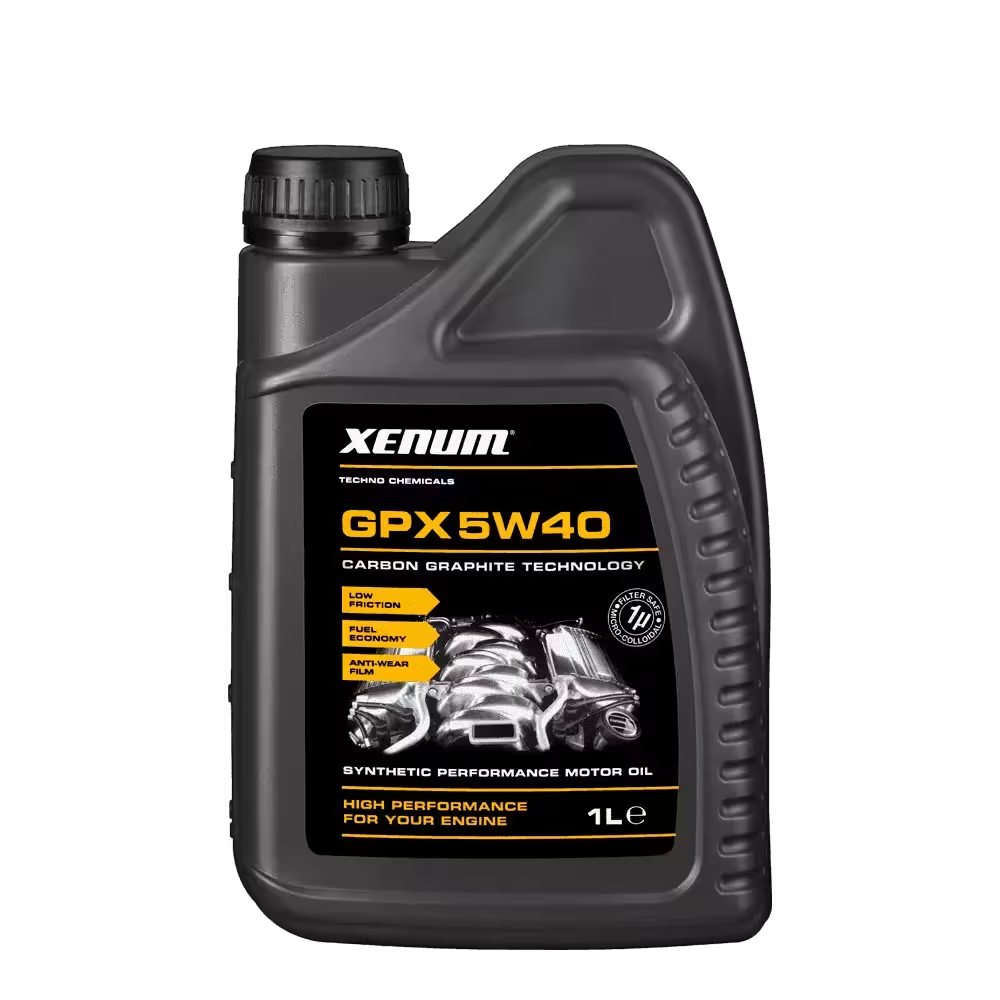
Nanoparticles in oils – these are certain materials that help reduce friction between surfaces under load.
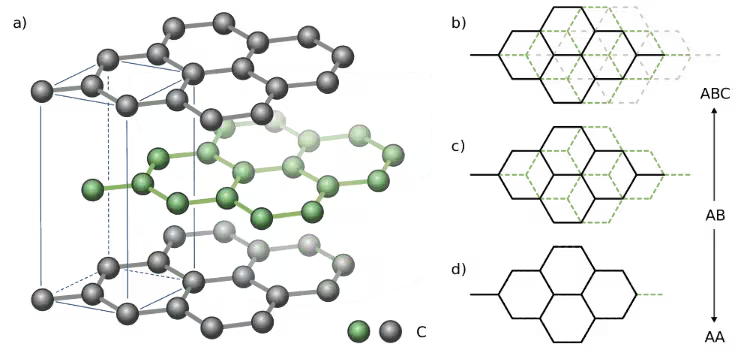
Oils with such particles can provide better lubrication at higher temperatures compared with traditional oils. The viscosity of these compounds is due to their layered structure at the molecular level and weak bonding between the layers. Such layers can slide relative to each other with minimal applied force, therefore leading to high component viscosity. However, not only the layered structure improves lubrication. There are some substances with simpler structures that work well as lubricating materials in certain areas of application, such as Polytetrafluoroethylene (PTFE or Teflon®).
The most well‑known components are:
- Graphite (C)
- Molybdenum disulfide (MoS2)
- Hexagonal boron nitride (hBN)
- Polytetrafluoroethylene (PTFE or Teflon ®)
| Product | Friction Coefficient | Operating Temperature |
| Graphite | 0.11 to 0.2 | 450°C – 538°C |
| Molybdenum | 0.10 to 0.15 | 343°C – 399°C |
| Teflon® | 0.06 to 0.10 | 260°C – 302°C |
| Cerflon ® | 0.06 to 0.09 | 260°C – 302°C |
| Ceramics | 0.08 to 0.12 | 2.200°C – 2.760°C |
Solid particles in oil (dispersions)
Solid particles that are properly created and dispersed in oil lead to unique properties. Although they could be used only as chemical additives, the balance of properties is still required for many heavy industrial engines.
It is also important that professional automotive oils and lubricants can be obtained only with an ideal combination and proportions of oil with the active component.

Features of oils with solid particles:
- They reduce friction and lead to the following factors:
- Reduced energy consumption
- Fuel savings
- Lower operating temperature
- Higher quality fuel combustion
- Smoother engine operation
- Overall cleaning
- They increase load capacity:
- Faster and easier break‑in
- Shorter procedure before commissioning
- They absorb shocks and prevent wear due to vibration:
- Perfectly suited for high loads
- Increased engine component life
- Reduced maintenance cost
- Long service life
- They remain effective longer:
- Do not require frequent replacement
- They can operate in dry conditions:
- Protect the engine even when oil is lacking
- Wide temperature range
Nanoparticle Size in Oil
Particle size is important because in a solid/liquid system the settling rate is proportional to the square of the particle diameter. If the particle size is halved, the rate of sedimentation decreases fourfold. Therefore, controlling particle size is essential for maintaining the compound’s effectiveness.
Nanoparticles pass through automotive filters quite well without clogging or buildup. The particles in oils are smaller than blood cells and invisible to the naked eye.
Stability
In addition to particle size, the stability of the compound’s performance is also important. When dispersions are unstable, they will aggregate, meaning fine particles clump together, accumulate, and settle quickly. This can be prevented by coating the particles with a stabilizer layer that inhibits such aggregation.
A properly designed stabilizer is an essential partner in compounds. Colloidal dispersions have a long service life, with minimal or no dissolution. Thus, the substance does not need to be kept at operating temperatures at all times for it to work.

Solid Particles in XENUM Oils
Ceramics
Xenum has developed a ceramic composite technology concept: particles of ceramic or hexagonal boron nitride (hBN) dissolved in oil.
The combination of exceptional lubricating properties of oils based on ceramic (hBN) and esters results in a product unmatched in performance. The polar properties of the esters and ceramic not only create a strong oil film but also keep micro‑hBN particles in suspension, allowing for prolonged high‑quality operation.
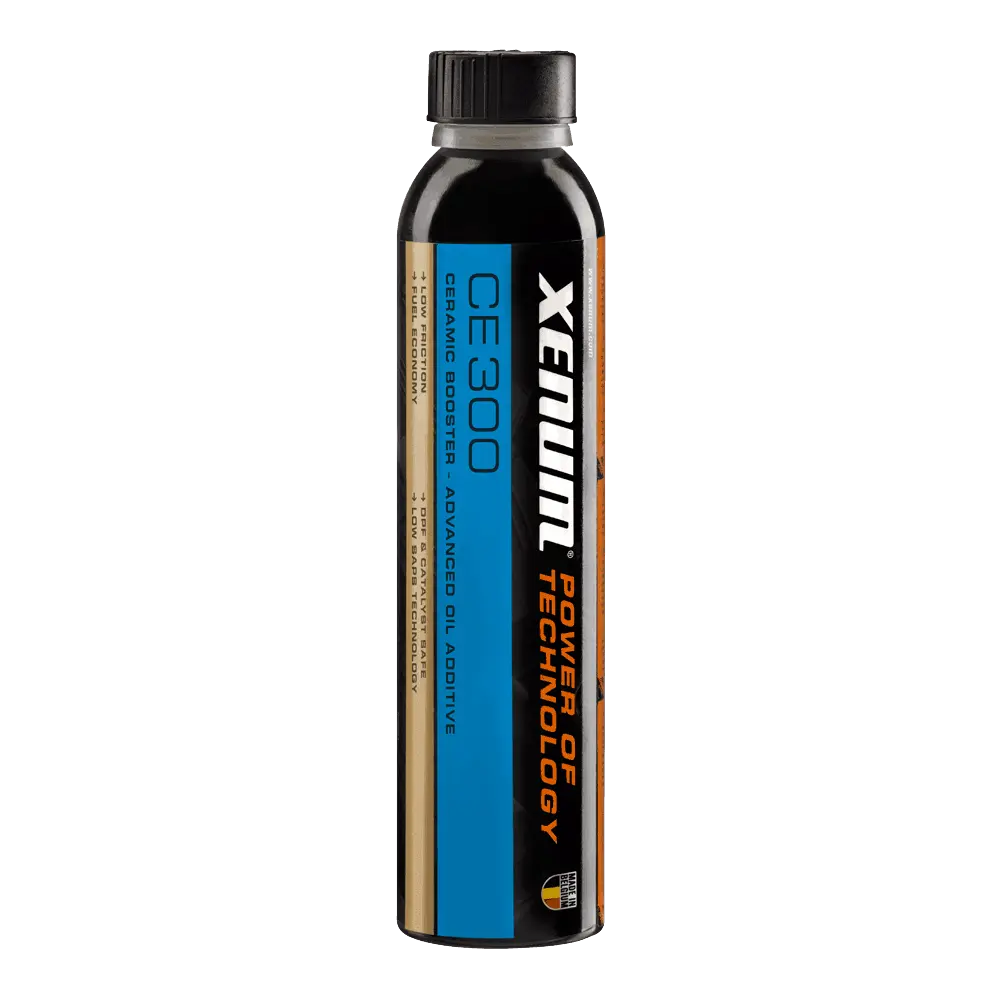
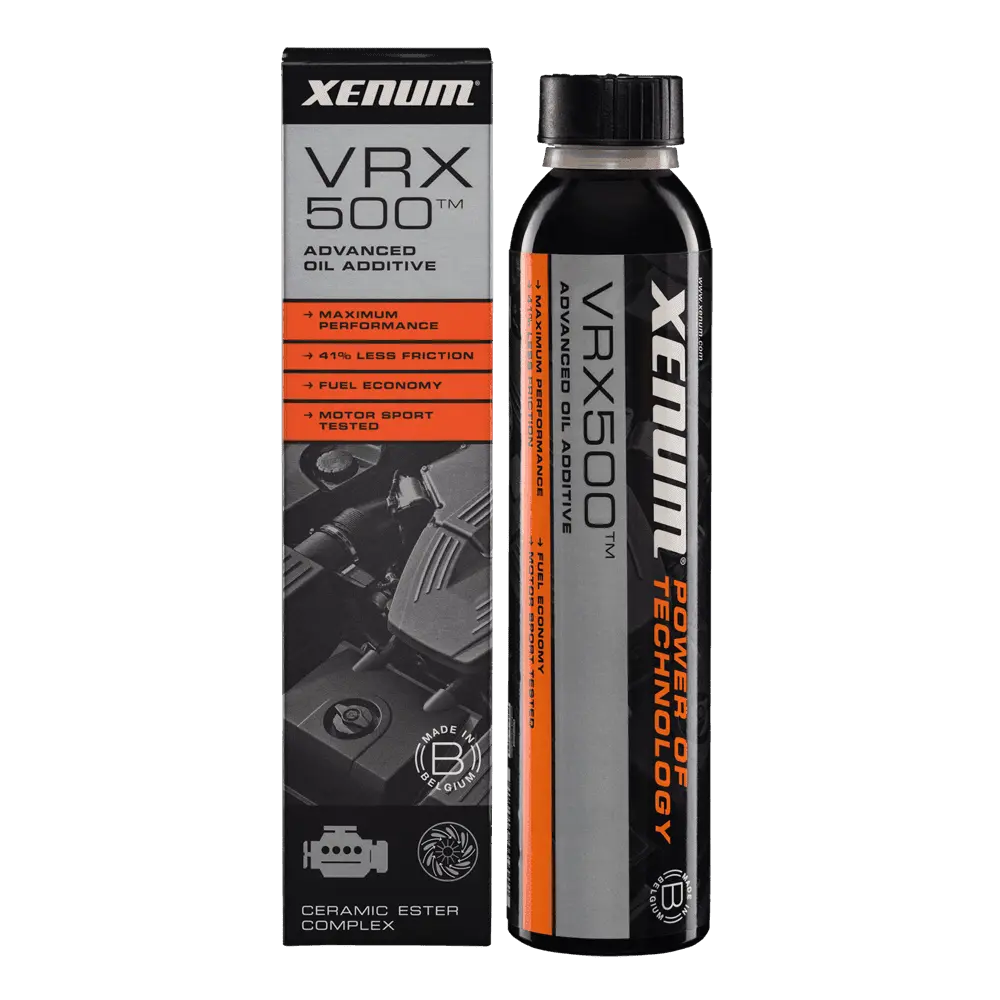
Ceramic composite additives, used in products such as VRX 500 and other ceramic oils, reduce friction and maintain effectiveness for a long time.
This leads to increased power, reduced fuel consumption, lower emissions, decreased CO2 output, and slower wear.
This technology is well suited as an additive for heavy‑duty and high‑performance engines, as well as for industrial applications.
Particles of hexagonal boron nitride (hBN) used in Xenum oils are extremely small (0.25 µm) and do not clog filters, as they do not aggregate into larger particles – clumps.
Most popular products with this technology: