We have already told you about two of the four most popular components in oils: MoS2 (Molybdenum) and Teflon (Teflon). In this article we will discuss the advantages and features of another representative, namely graphite and its use in Xenum oils and additives.
Advantages
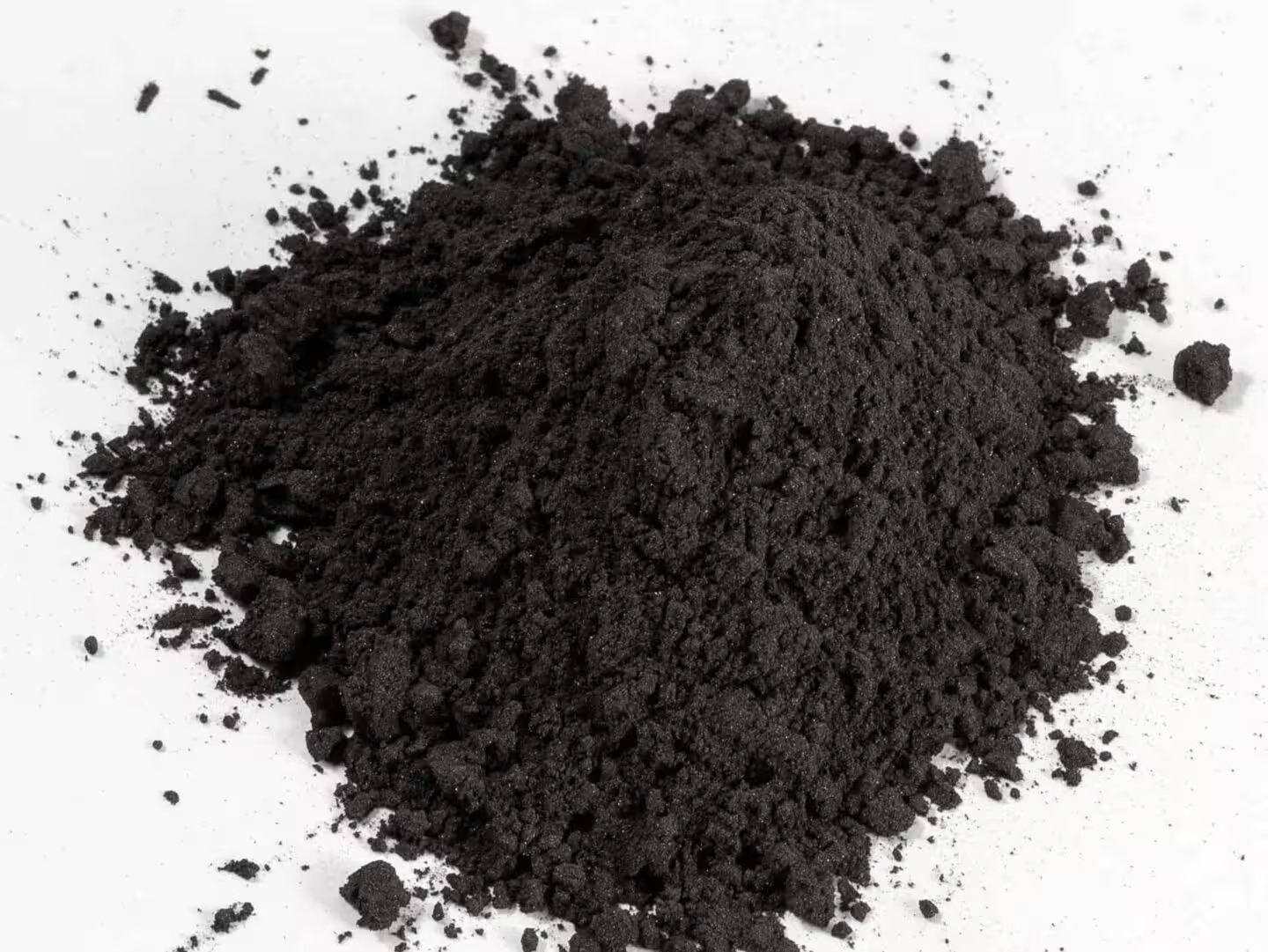
This semi‑metal with a crystalline structure is the most stable form of carbon (C) that can be found in nature. Graphite is used in many industrial sectors, thanks to the combination of metallic and non‑metallic properties. Graphite can act as a conductor of both heat and electricity, and also has high lubricating properties. In addition, it is very resistant to elevated temperatures.
Together with molybdenum, graphite is most often used because of its lubricating properties, making it easy to compare these two components. However, each has its own particularities.
Graphite, Molybdenum or Teflon: which is better?
In the article “Graphite, Molybdenum Disulphide and/or P.T.F.E.?“, Industrial Lubrication and Tribology 1963 compared these three materials. Of course, modern testing can provide more accurate results, but even this test can show obvious things.
The results can be seen in these charts:
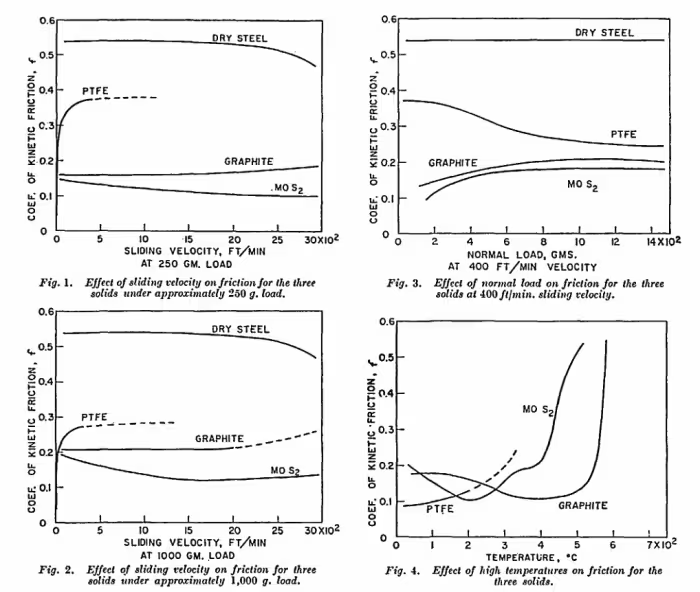
As you can see, graphite shows stable behavior during increased power, engine load and temperature changes. Looking at the charts, we see that MoS2 (Molybdenum) is always located in the lower part of the graphs, so the preliminary conclusion may be that MoS2 (Molybdenum) yields better results.
However, we must review the results from another perspective. We already know how and why engine oil works. Piston temperature in the engine can exceed 600ºC, and they usually operate in a range from 0 to 30 m/s. At high speed MoS2 (Molybdenum) begins to lose its properties much faster than graphite, which shows more stable results.
That is why, depending on engine requirements, one component may be better than another.
Graphite‑Based Oils from Xenum
In the article about molybdenum we noted that we use oils in combination with graphite in Super G and MG Gear. This helps to harness the properties of both materials to create the best additives for engine oil.
However, when we developed our products, we had a different idea of how to use graphite.
Our line GP premium‑class oils (Graphite Oils) consists of high‑technology base oils and carbon nanoparticles with a diameter of 1 µm, mixed in optimal proportions. They enable fuel savings (3–5%) and increase engine power (2–5%) by reducing friction. They also significantly reduce noise.
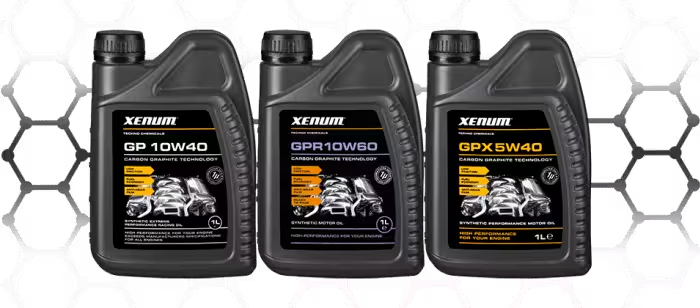
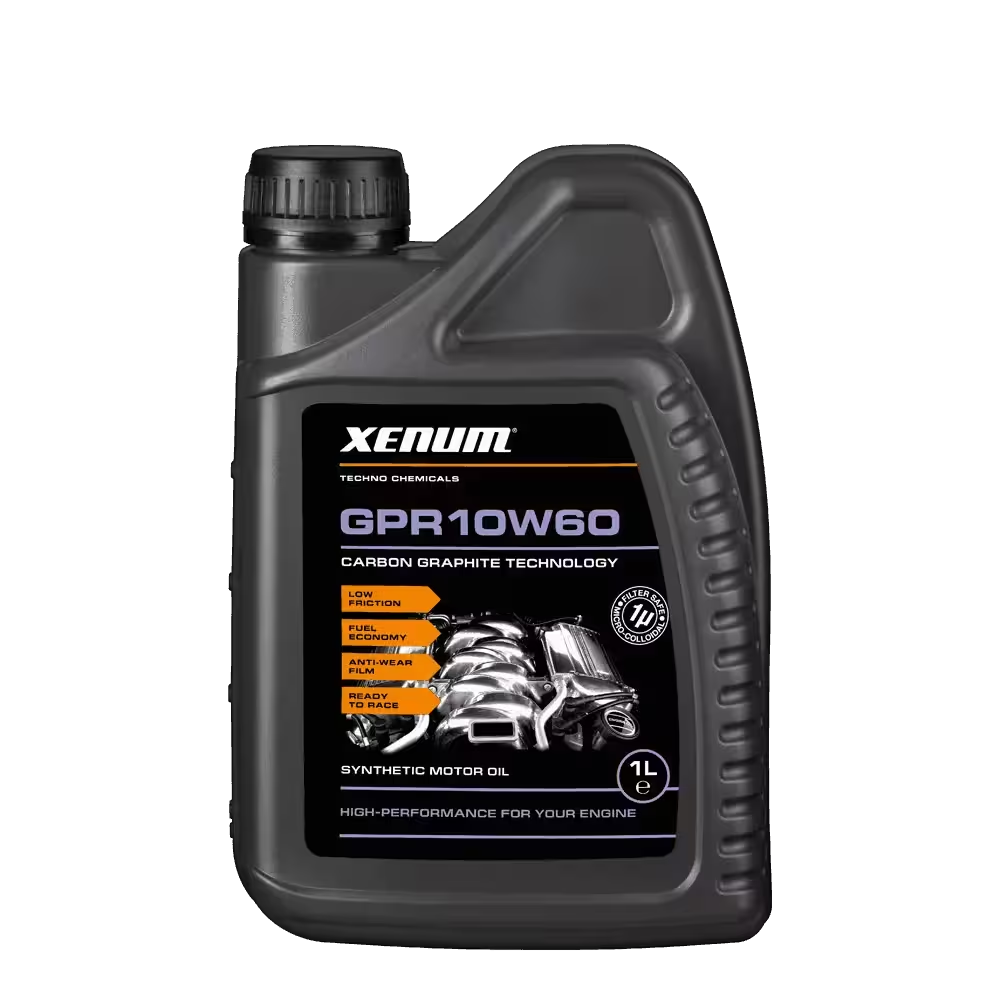
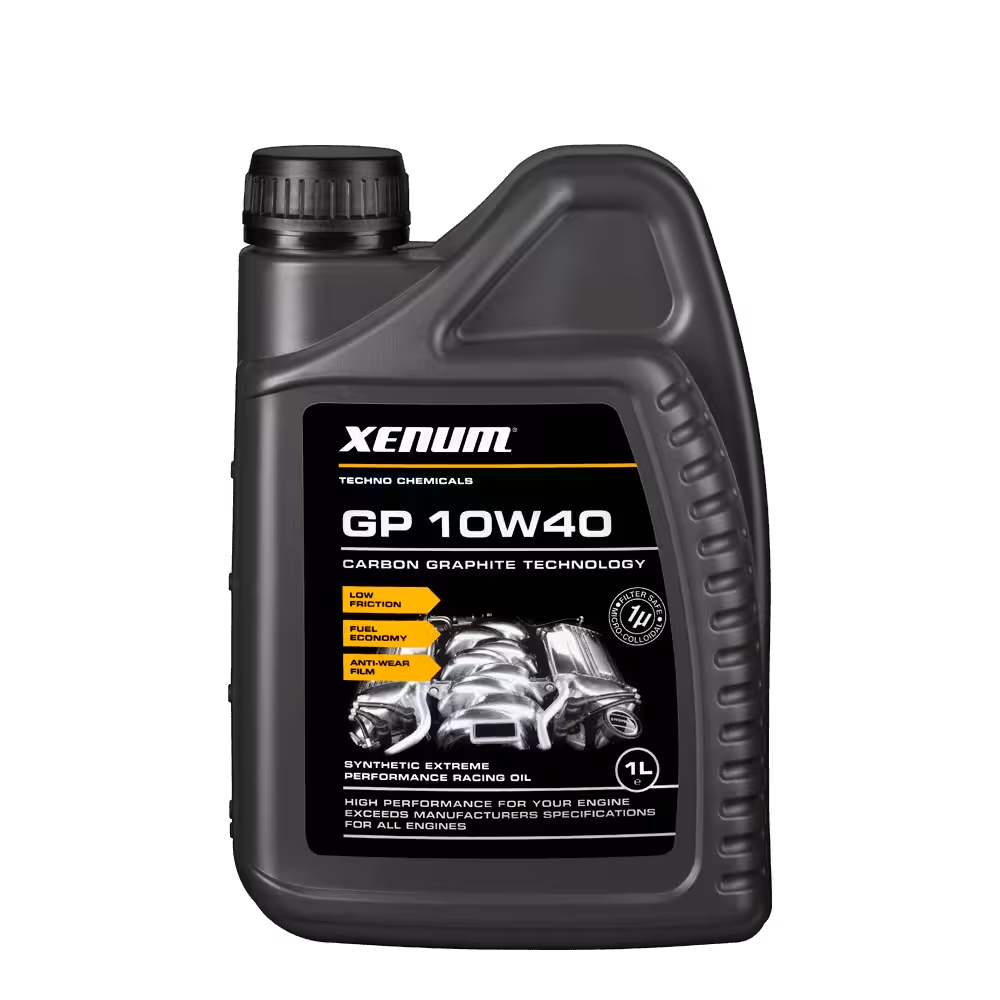
Motor oil with graphite XENUM GP 10W40
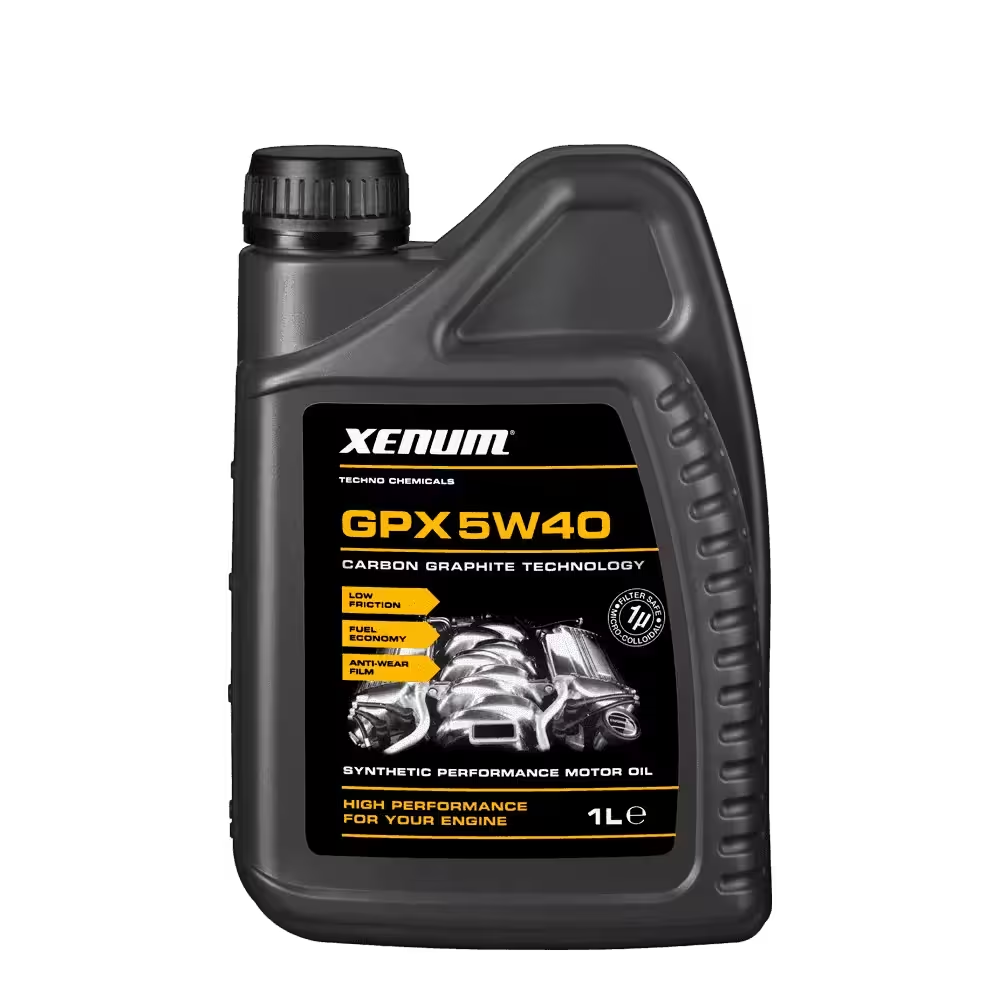
Motor oil with graphite XENUM GPX 5W40
Stay in touch!
Also, you can leave us your contact details and receive useful information about our products weekly. Next week we will talk about our best development, namely: additives with ceramic nanoparticles. Don't miss it!