In our latest article we examined in more detail the use of additives in oils. We showed that mineral motor oil for viscosity regulation should always be on hand. Especially for modern cars. If you missed this information, we recommend reading it first.
We also received feedback that additives are often unnecessary, or it is believed that their frequent use can be harmful to the engine.
Without exaggeration, all commercial oils contain various additives. Some brands position themselves openly in this regard, while others prefer not to disclose. Anyway, all oils to some extent require additives.
This is a fact.
Classic additives in oils
On average, the final product – the additive – contains about 80% base oils. The remaining 20% are compounds that give it various properties. In addition to viscosity regulation, they provide a range of characteristics. We can categorize classic additives into the following groups:
- Additives for cleaning: Without these additives, oil can easily lead to the formation of soot, oxides, rust, or even break down over time. Such additives are mainly anti‑oxidants, antioxidants and interact with metal particles.
- Additives for clog control: Soot, excess carbon, acids can deposit in the fuel system. Therefore, thinners or additives that slow the formation of deposits and foam are necessary. The absence of such additives can lead to reduced engine efficiency, or even cause a failure.
- Additives for lubrication: Nanoparticles designed to control friction and pressure between engine components can significantly reduce engine wear and improve vehicle performance.
Most classic additives have good lubricating properties that meet the basic needs. However, you may often require additives for special purposes – restoring and protecting bearings or achieving maximum cleaning of all system components, etc.
Many manufacturers claim that there are no technical possibilities for such a product, but we have a solution.

Additives with nanoparticles
When we talk about nanoparticles, we mean something that is present in the oil while remaining in a solid state. Nanoparticles do not affect the chemical properties of the oil but allow for significantly better performance.
Their main goal is to enhance the protective and lubricating properties of the oil. Inside the engine, in areas where friction occurs between metal parts, the wear risk is very high. Thanks to oil, critical areas are less prone to damage, are lubricated and age more slowly, but even minor lapses can lead to loss of engine efficiency. That is why additives come in handy.
To minimize the possibility of such irregularities, special additives with nanoparticles have been developed that create a film on the surface of parts, reducing friction much better than conventional oils. Molybdenum, PTFE (Teflon™)
, Graphite, as well as Ceramic are excellent examples of such additives.We will discuss these and other nanoparticles in the next article. But for now we just want to remind that even the tiny metal particles generated by friction are solid. These small, seemingly, particles eventually become contaminants that get caught in the oil filter and damage engine operation. You can learn more in the research.
Stay in touch!
We will tell more and in detail, if this is useful for you. If you have any questions – contact us or our representatives.
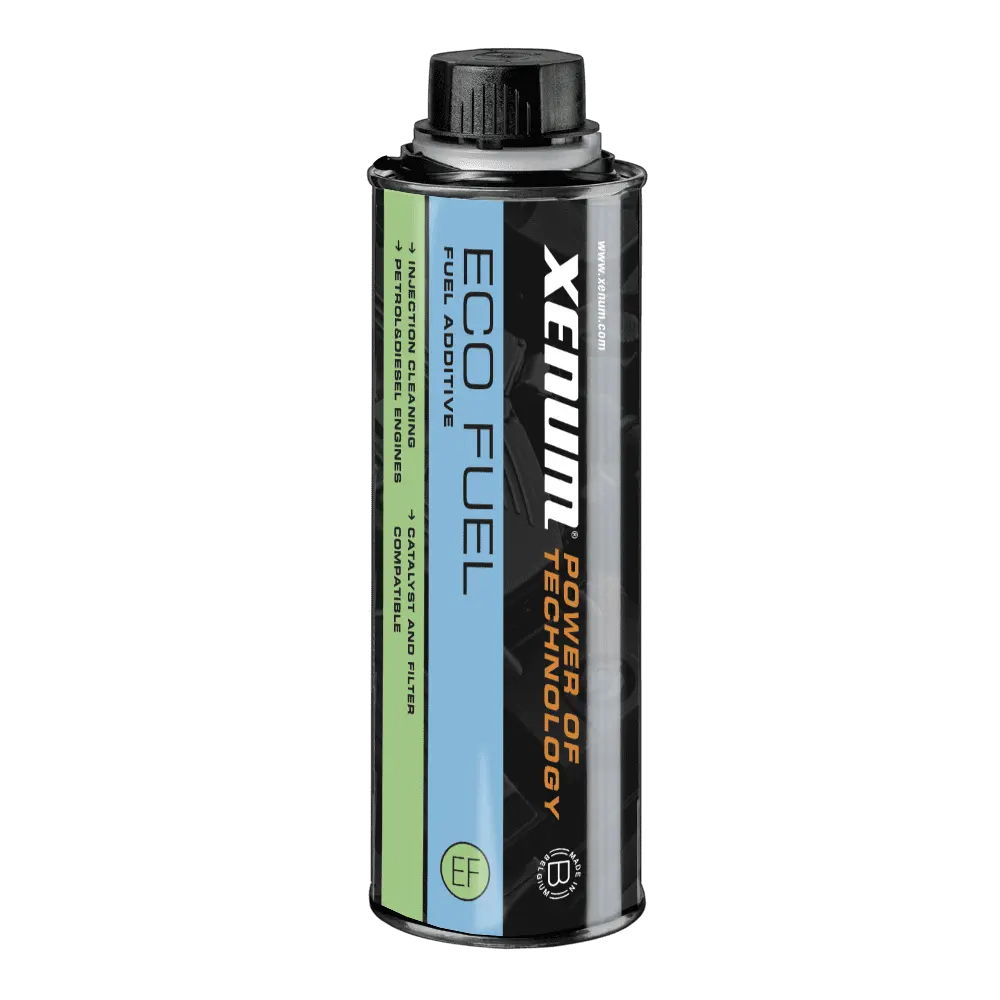
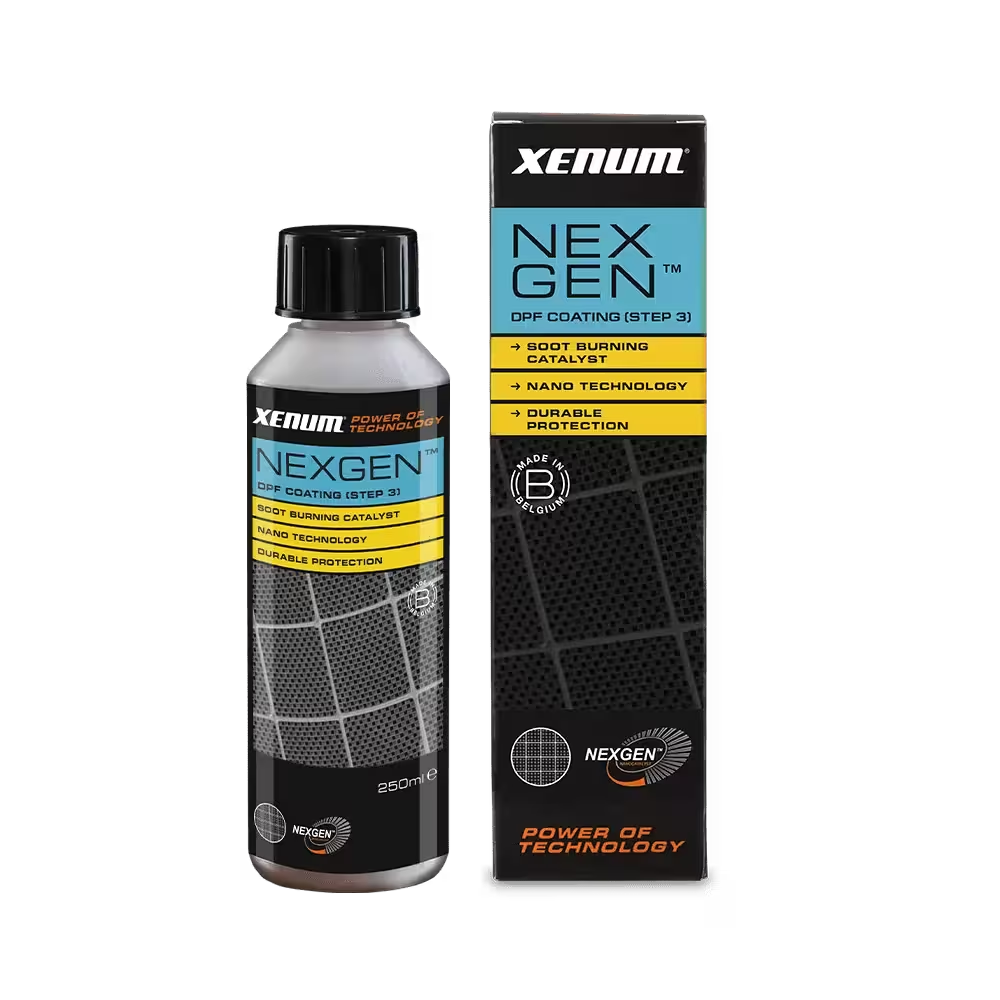
Popular additives from Xenum Ukraine
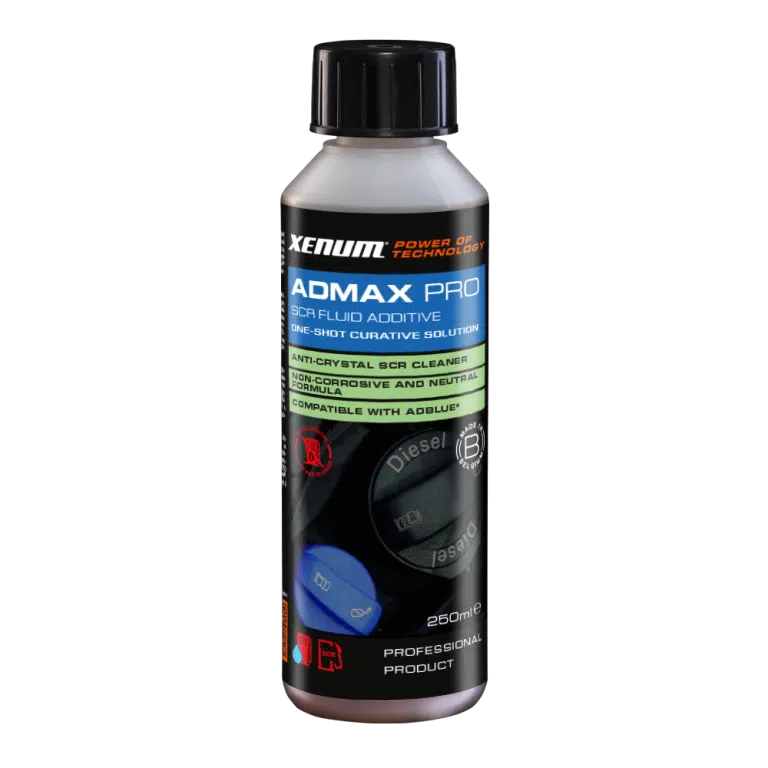
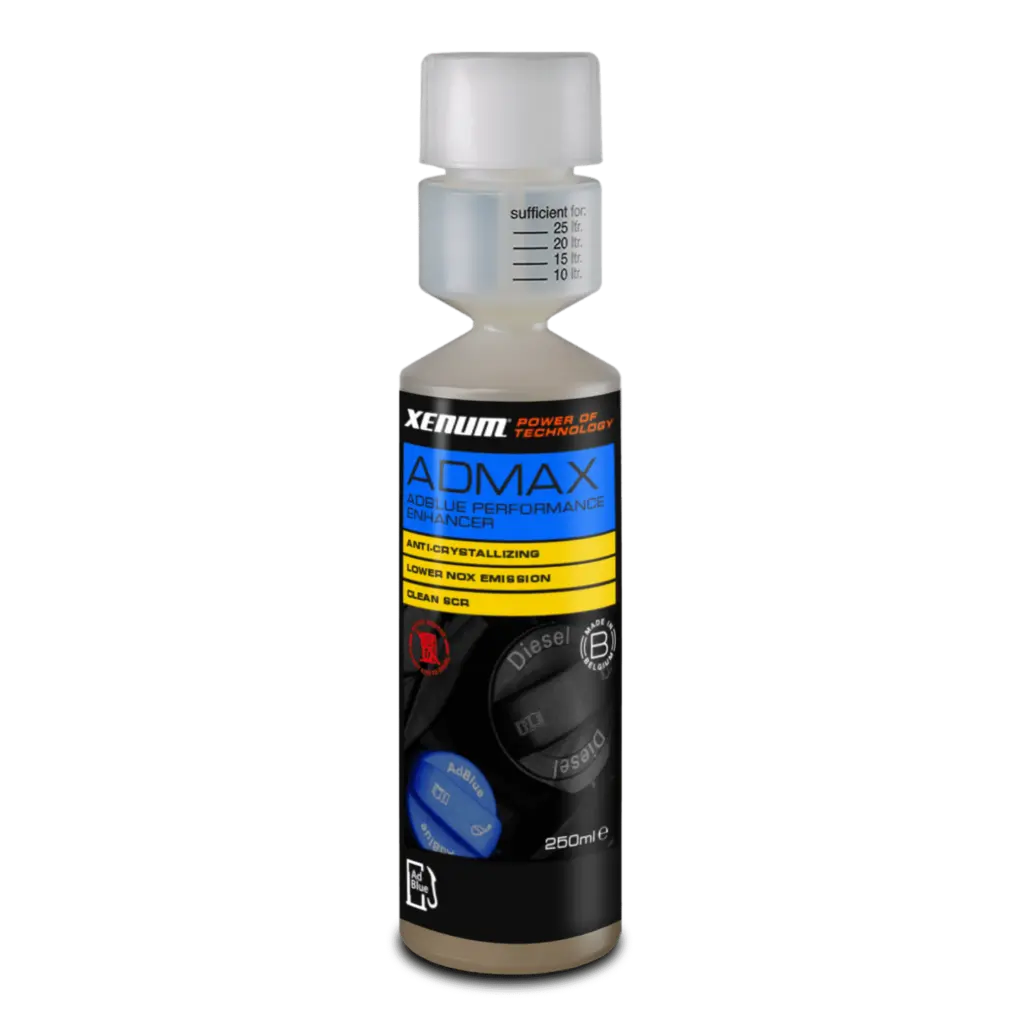
Professional preventive additive ADBLUE XENUM ADMAX 250 ml (3567250)
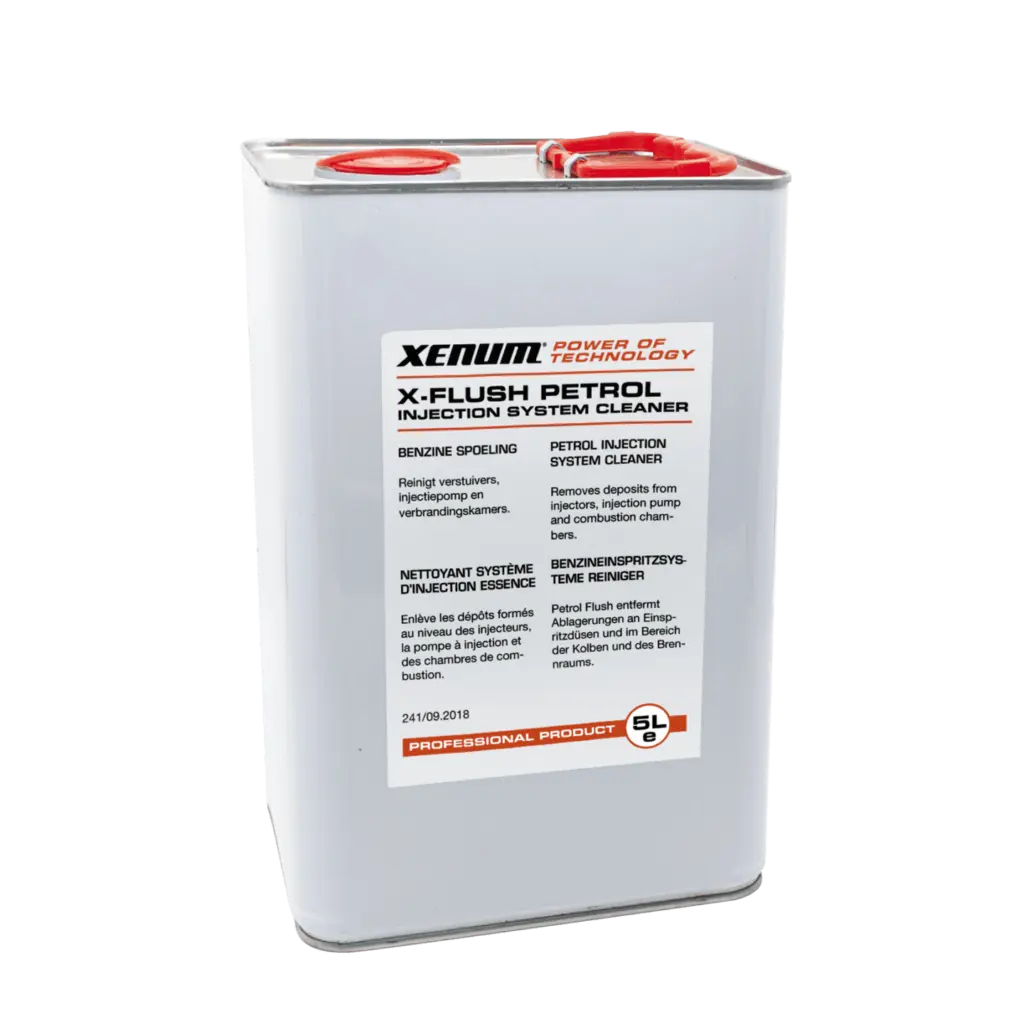
Fuel injection system cleaner XENUM X-FLUSH PETROL (3154005)