What makes engine oils with esters special?
Esters (fatty esters) are a synthetic product that can be part of up to three types of base oils:
- HYDRO CRACKED BASE (HC) – Hydro‑cracked base: not a fully synthetic product, as it is primarily a mineral oil that has undergone specific processing to achieve the desired properties of synthetic oils. These oils have a high lubricity coefficient but are more volatile than PAO.
- POLY ALPHA OLEFINS (PAO) – Poly Alpha Olefins: the most well‑known and popular base in synthetic and semi‑synthetic oils. It offers very good high‑temperature stability and low volatility.
- ESTER OILS – ESTERS: when used in base oils they make the oils optimal for application. They easily handle standard tasks and provide the best performance of engine oils, even under severe operating conditions.
Comparative table of the three types of base oils:
| Base | Detergency properties | Solidification temperature | Oxidation resistance | Polarity |
| HC* | ■■□□ | ■■□□ | ■■□□ | ■■□□ |
| PAO * | ■■■■ | ■■■■ | ■■■■ | ■□□□ |
| Esters | ■■■■ | ■■■■ | ■■■■ | ■■■■ |
POLAR MOLECULES
Polarity of ester molecules (esters) ranges from moderate to very high. This means they possess an electrostatic charge due to the presence of opposite charges. Polarity of oils brings certain interesting properties:
• OILINESS
Polarity causes ester molecules to be attracted to positively charged metal surfaces. As a result, the molecules adhere to the metal surface, forming a durable film and sticking to it like a magnet.
This leads to a strong and durable film that provides excellent lubrication, reduces energy (fuel) consumption and extends the duration of high‑quality engine operation.
• POLARITY
The polarity of ester molecules attracts them to each other. Because of this, intermolecular attraction requires significantly more energy (temperature) to break the intermolecular bond in order to reach a gaseous state. As a result, the oil will retain viscosity at high temperatures. Additionally, the reduced amount loss oil due to evaporation.

• SOLVING PROPERTIES
The polarity of esters also makes them good solvents. This allows esters to dissolve and disperse impurities, such as oil combustion residues, side products that can remain as deposits of slag and sediments. These properties lead to a cleaner operation, and therefore a clean engine and transmission.
Esters and ester‑based compounds are used in the following Xenum products:
-
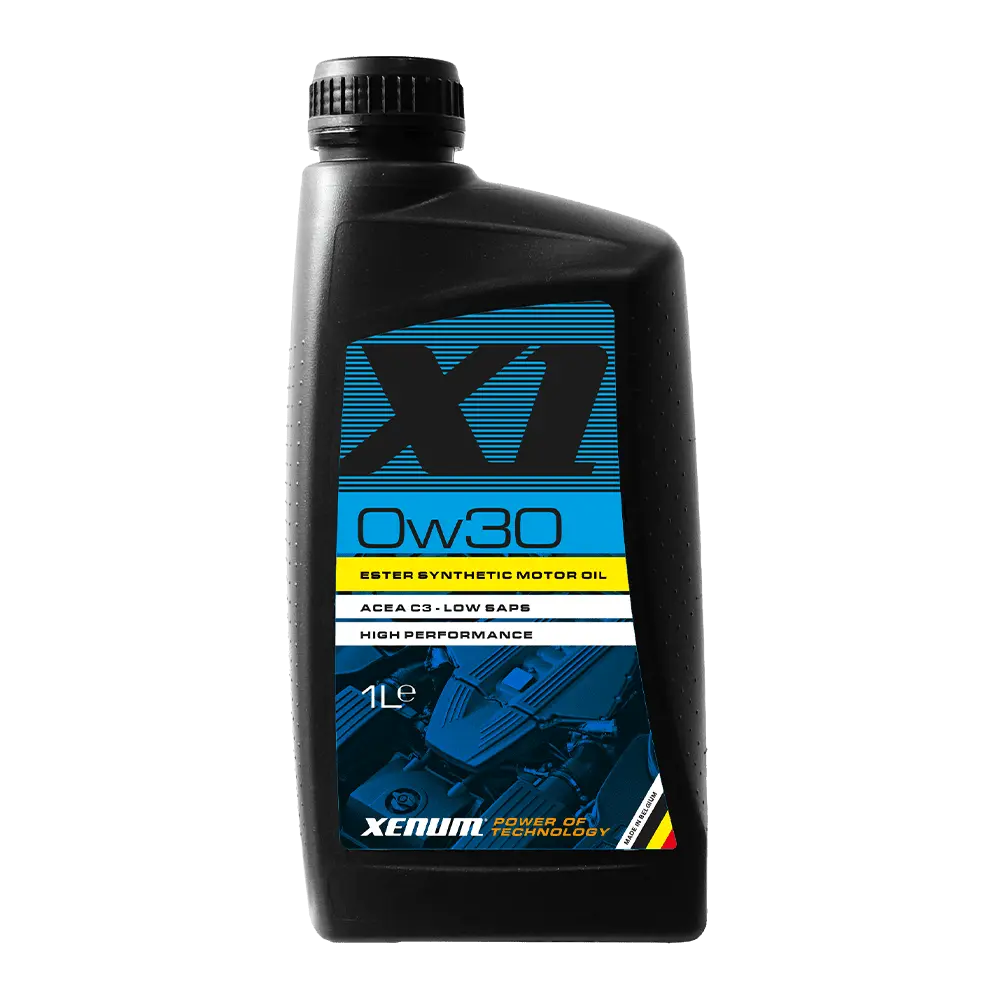 Engine oil with esters XENUM X1 0W30658 грн
 -
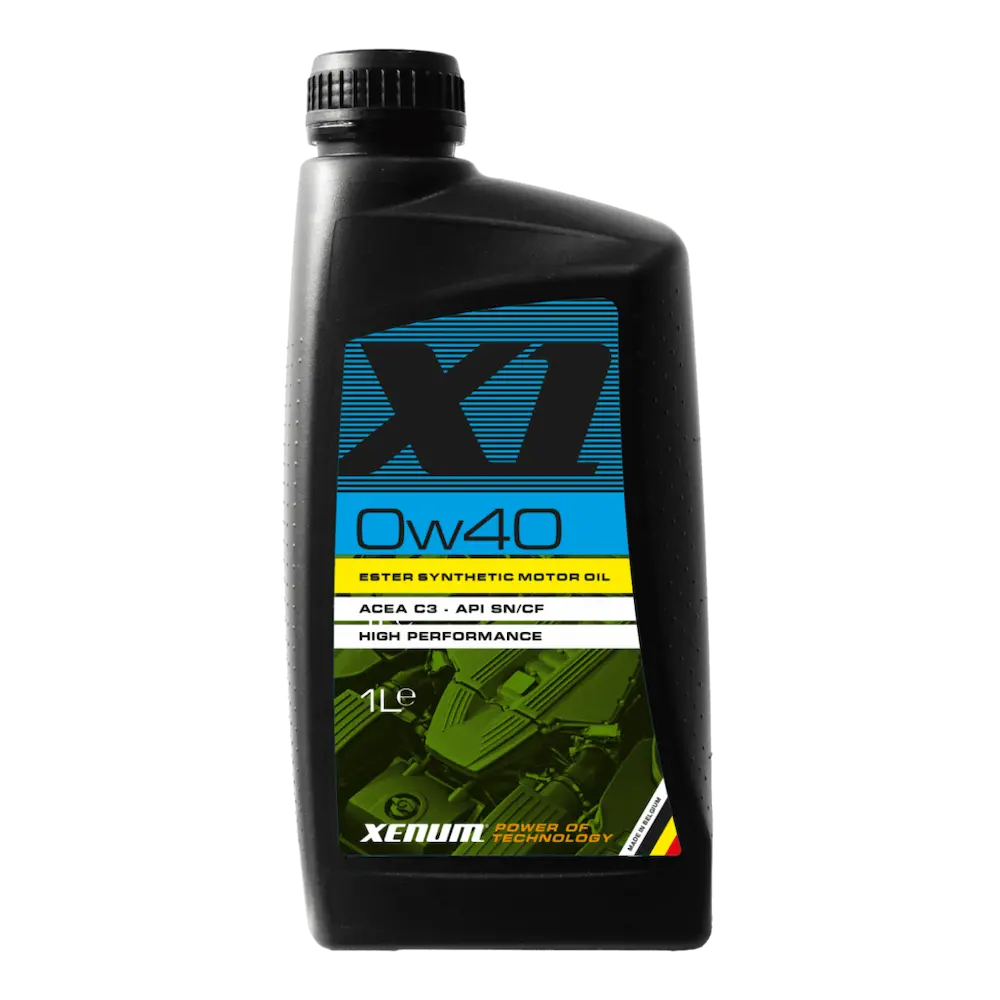 Engine oil with esters XENUM X1 0W40Price range: 641 грн through 2 499 грн
 -
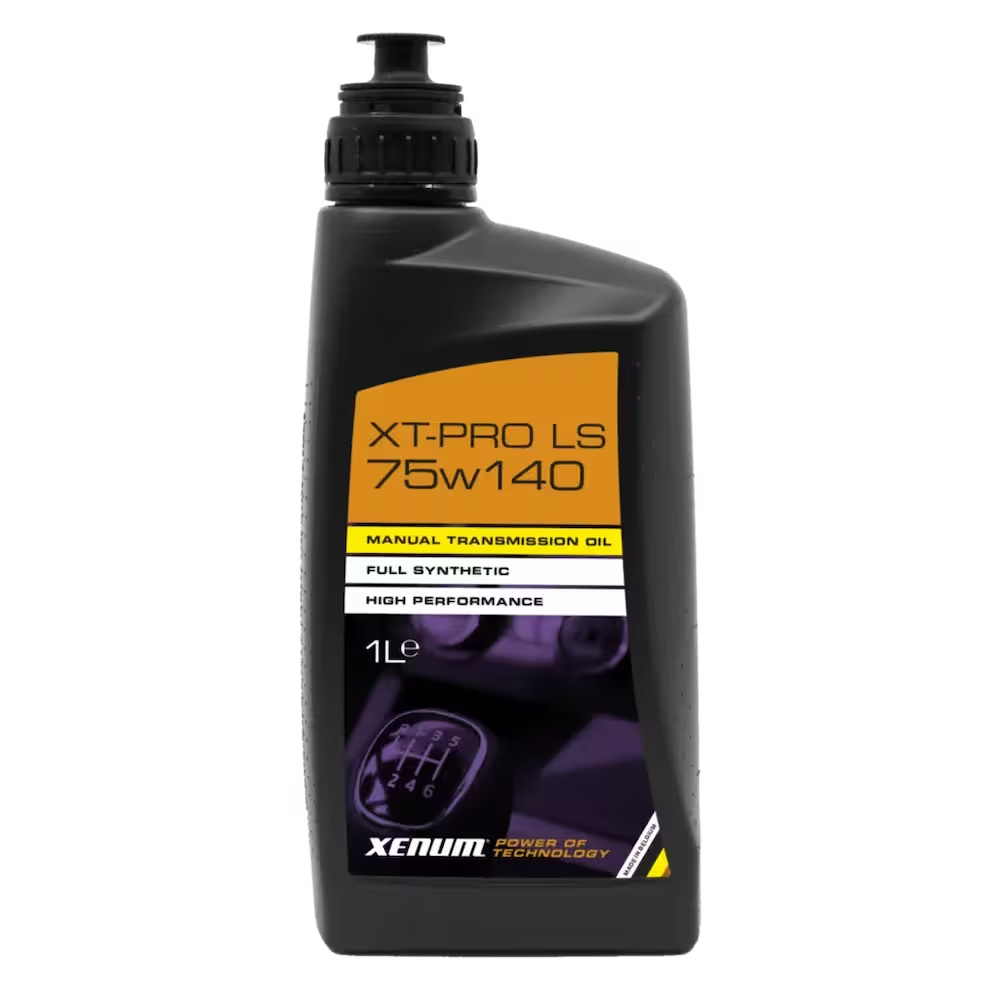 Transmission oil XENUM for MT XT-PRO 75W140 (1365001AS)Price range: 1 067 грн through 22 287 грн
 -
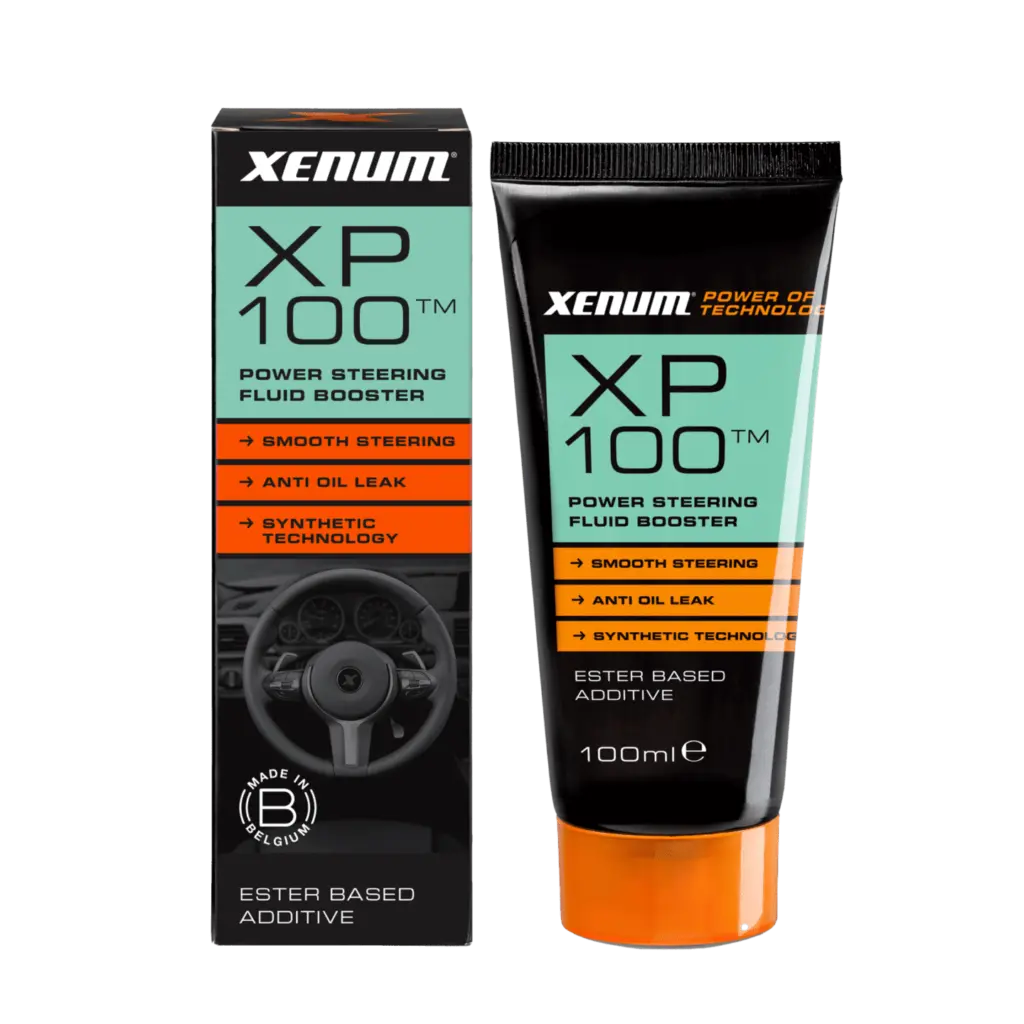 Performance additive for power steering with esters XENUM XP 100 (3246100)546 UAH
 -
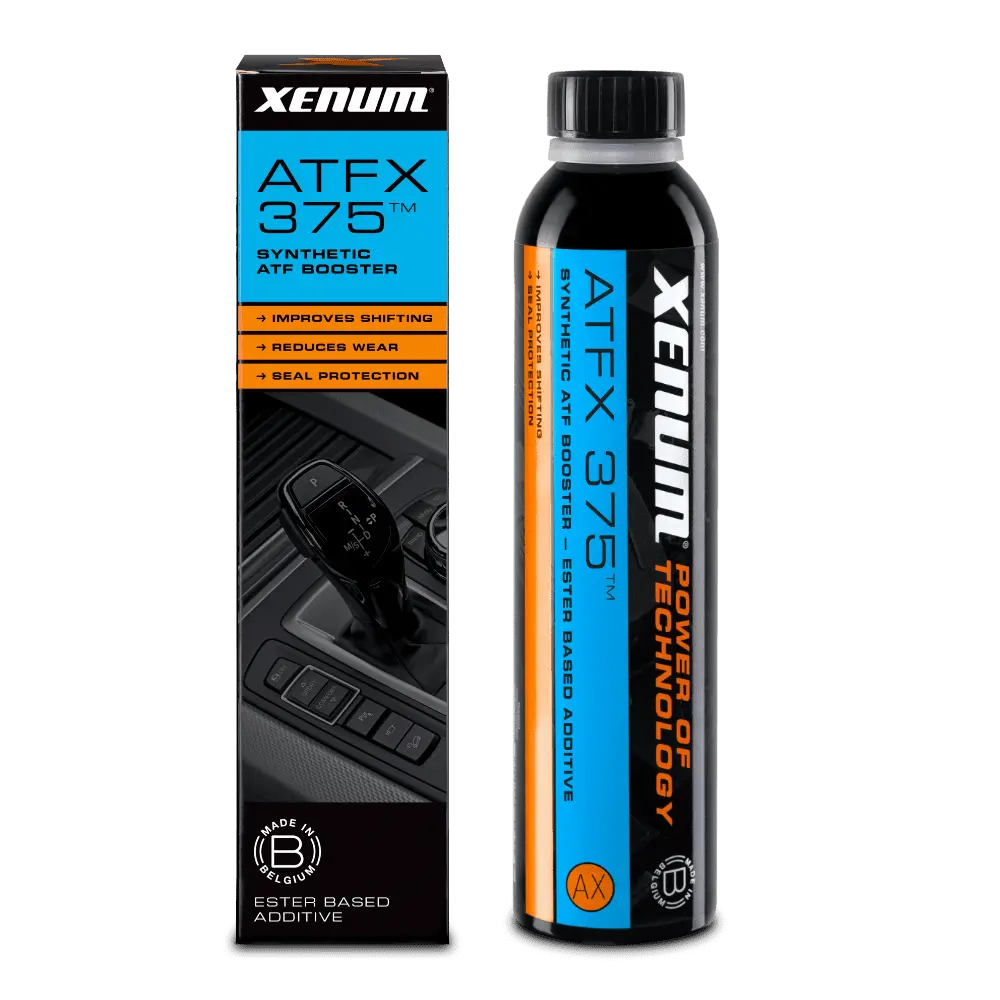 Additive for automatic transmissions (AT) and CVTs (CVT) XENUM ATFX 375 (3253375)938 UAH
 -
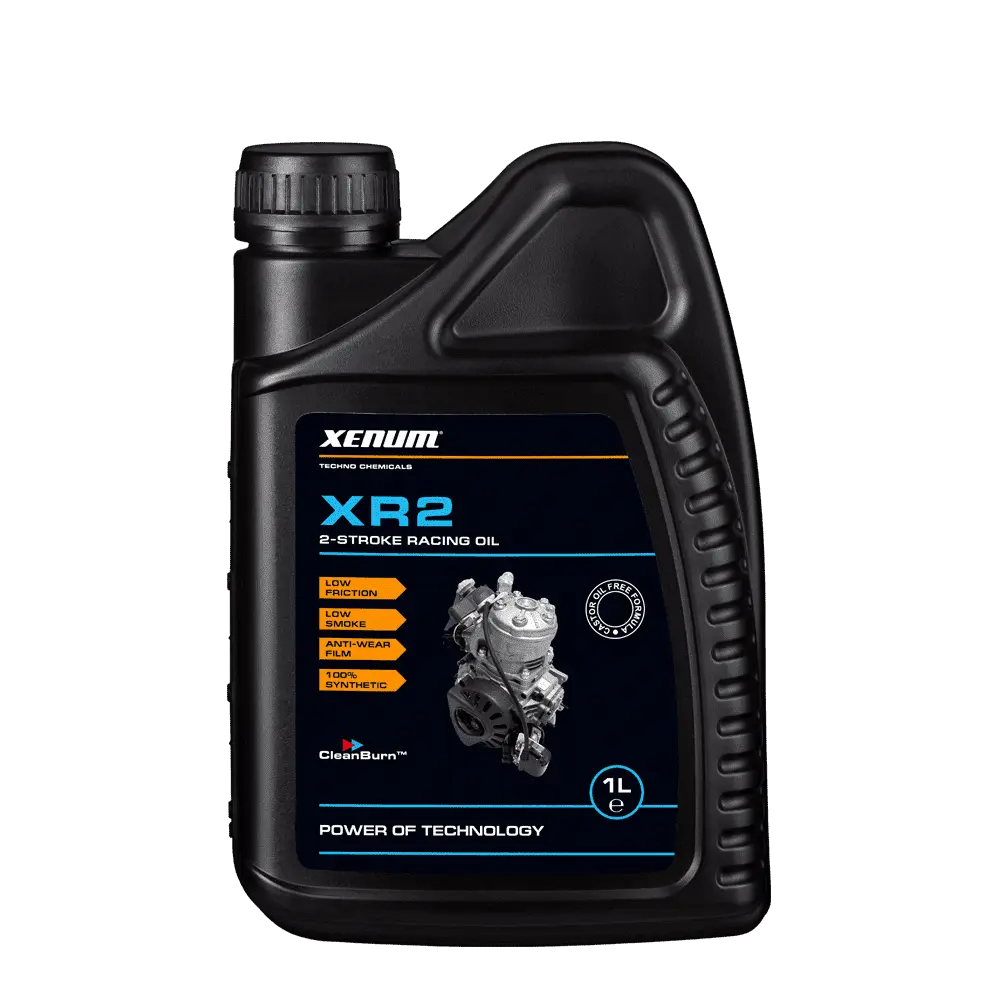 Professional motor oil for two‑stroke engines XENUM XR2 1 L (1440001)Price range: 450 UAH through 13 041 UAH
 -
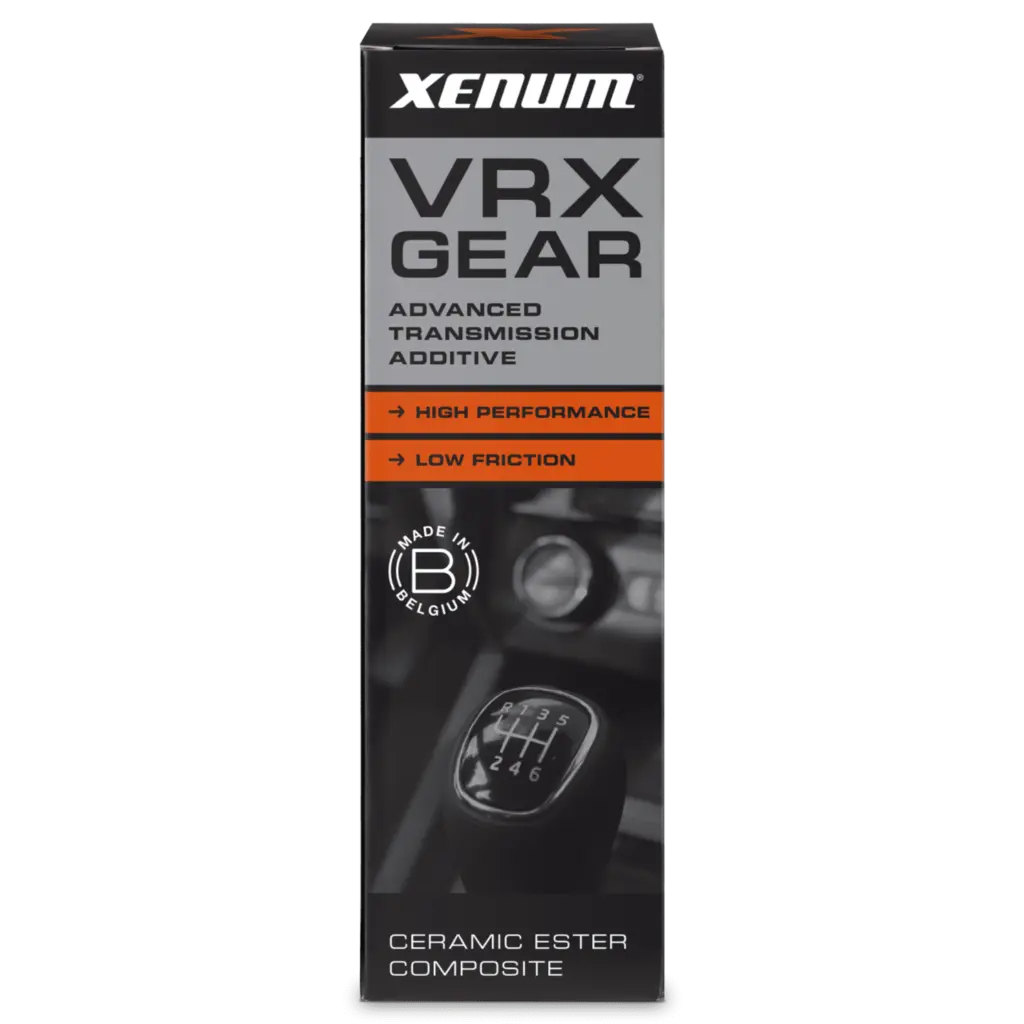 Additive for transmission oil with esters and micro‑ceramics for manual transmission XENUM VRX GEARPrice range: 1 367 UAH through 12 000 UAH
 -
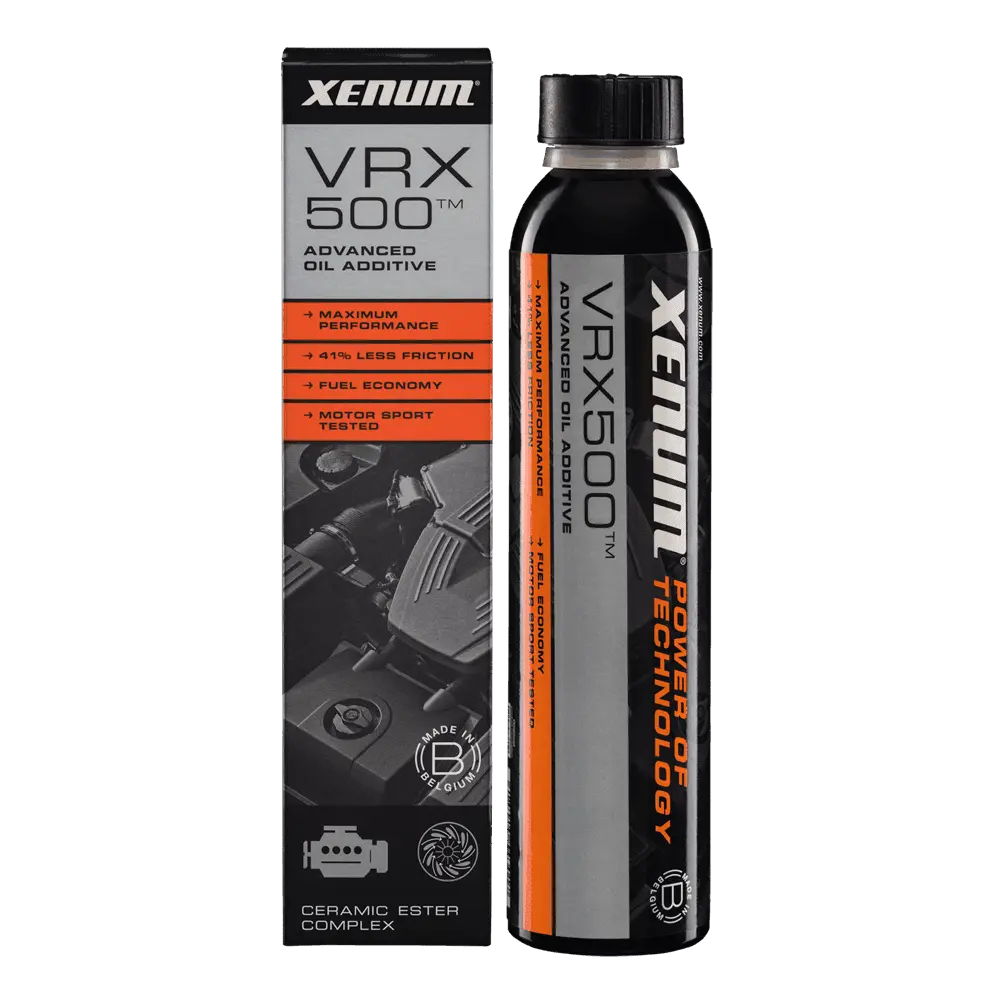 Oil additive with esters and micro-ceramics XENUM VRX 500Price range: 2 119 UAH through 4 703 UAH
 -
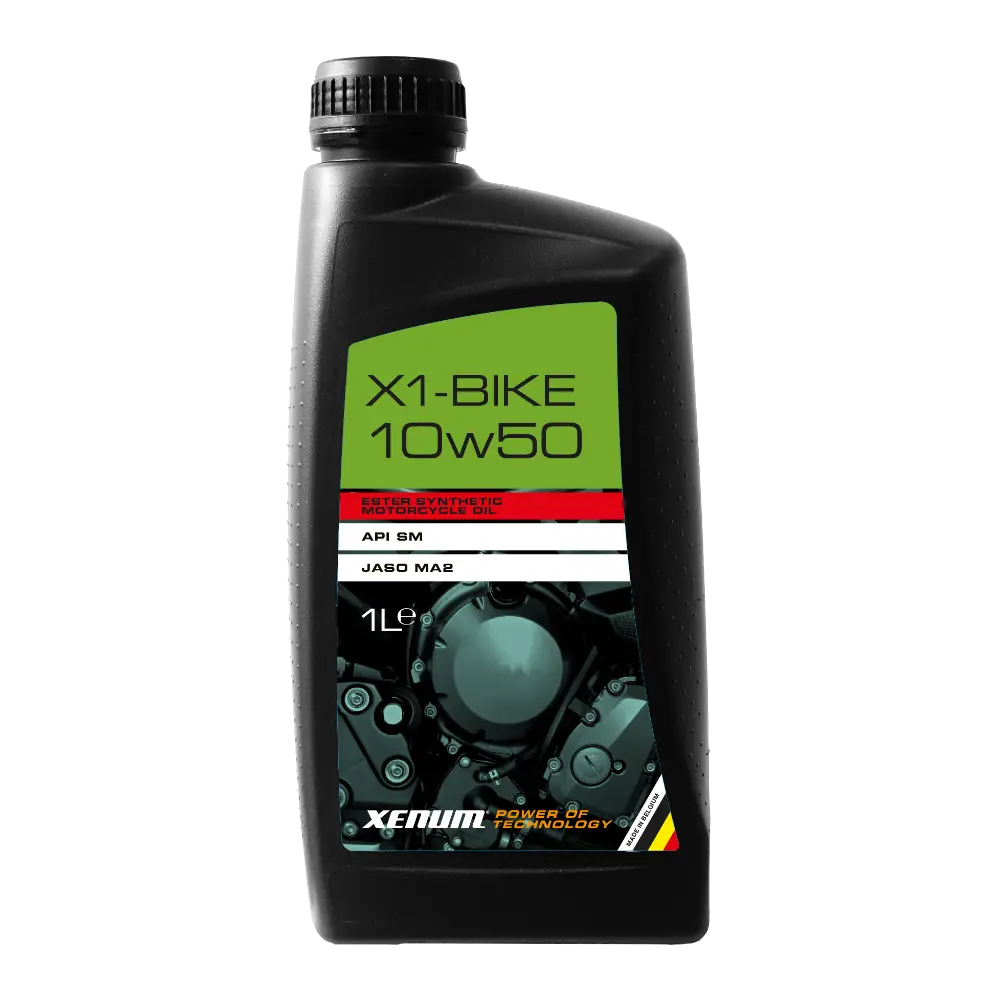 Motor oil with esters for motorcycles XENUM X1-BIKE 10W50 (1907001A)Price range: 874 UAH through 13 999 UAH
 -
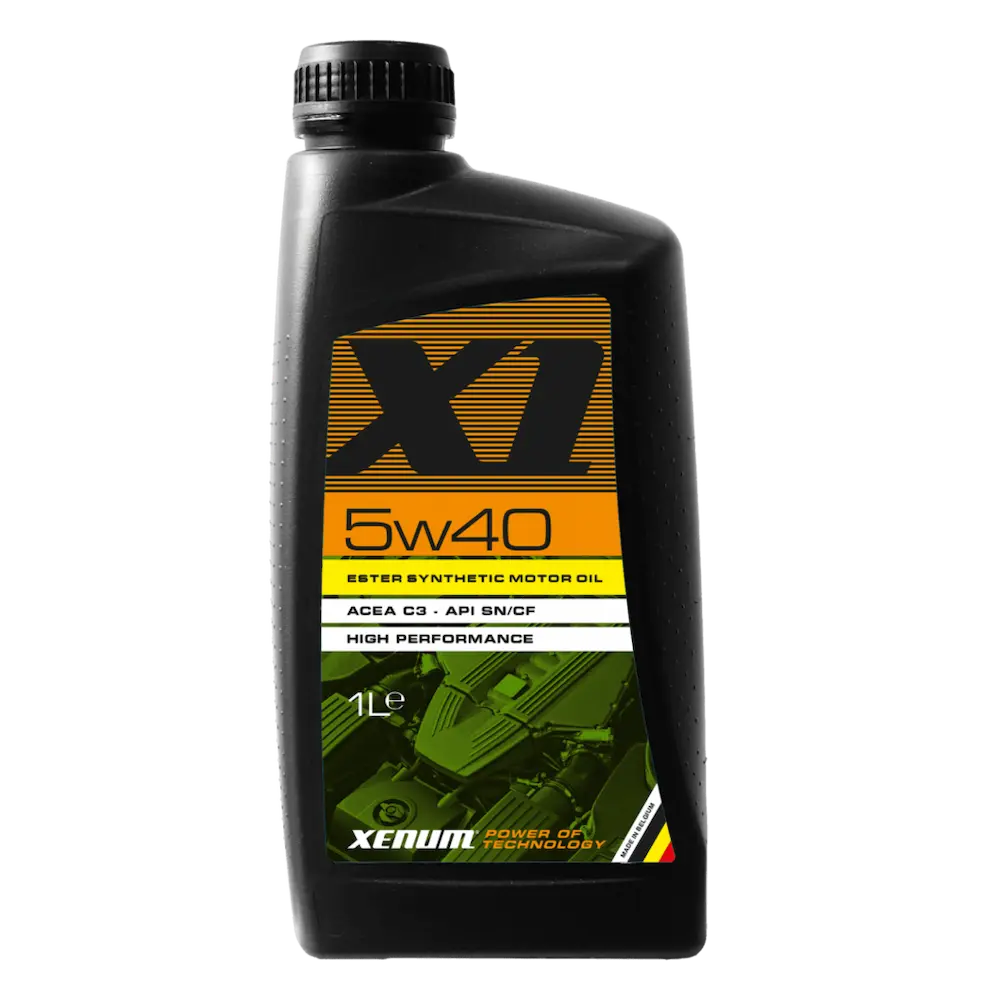 Engine oil with esters XENUM X1 5W40Price range: 614 UAH through 104 000 UAH
 -
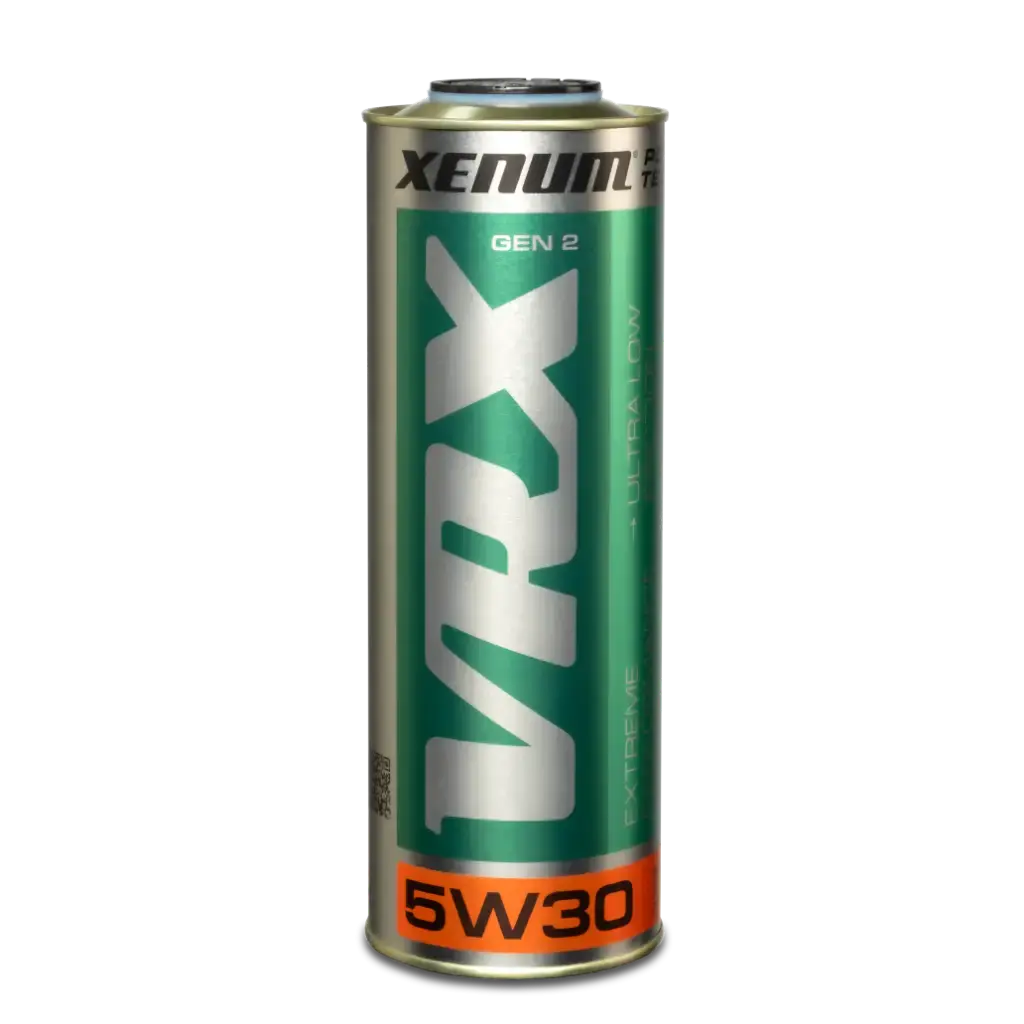 Engine oil with ceramic XENUM VRX GEN2 5W301 406 UAH
If you need a consultation or advice regarding your vehicle, contact Xenum Ukraine specialists.