In our latest article about molybdenum – molybdenum (or MoS2), we discussed many details. And now we would like to tell you about another popular component of modern additives.
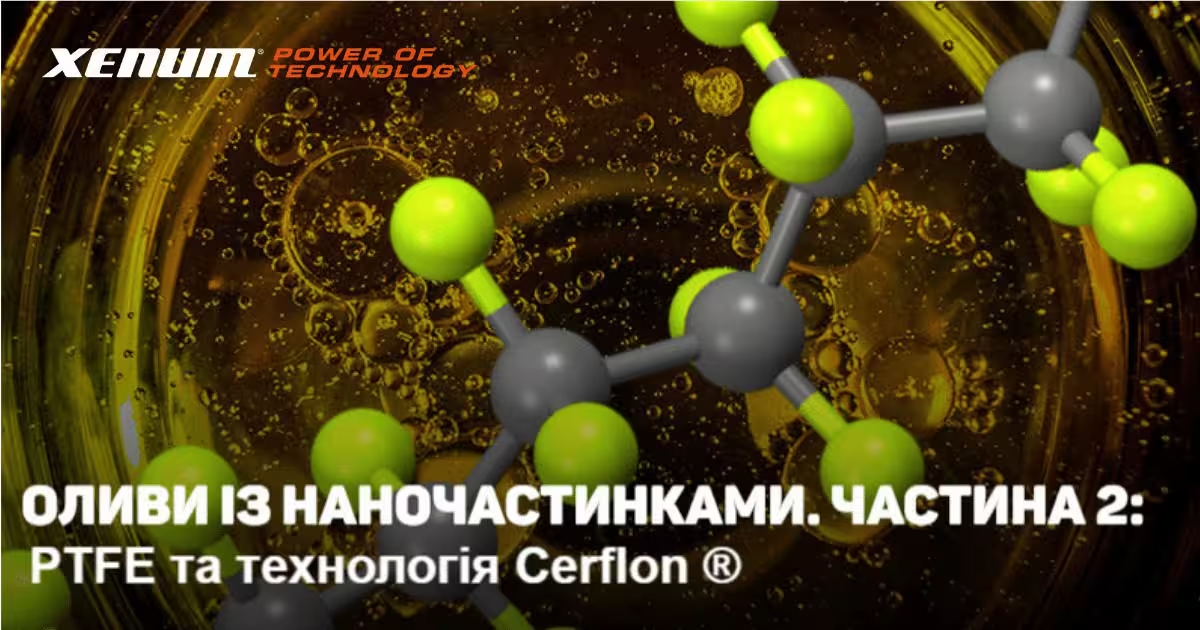
PTFE, or Polytetrafluoroethylene, was created in 1938 and patented under the convenient and probably well‑known name – Teflon®.
Overall, it is a solid compound of synthetic fluoropolymer. The compound repels water, resists heat and high temperatures, and also maintains a very low coefficient of friction against solid materials. And these are only some of the advantages of Teflon (PTFE).
Additive manufacturers quickly realized that the compound could also be used in automobiles as an active ingredient for oil. However, we are here to discuss everything, so let's examine with you whether Teflon is truly as ideal as it is thought to be?
ATTENTION! Teflon, as a compound, is not recommended to be added to engine oil.
During the 1980s, the company that developed Teflon® conducted testing and announced that Teflon® should not be used as an active component in engine oils, or oils used in internal combustion engines.
Manufacturers and sellers refused to use Teflon for additives and there were even lawsuits against companies that continued to use it.
Thus, we understand that using the component in additives is prohibited. BUT!
There are many other possibilities where the characteristics of this compound can be utilized. For example, we have developed and offer – Xenum Dry Gliss, a wonderful lubricating spray that can be used in low‑load areas where lubrication is not as critical, but it would positively affect the overall performance of the vehicle. And that's not all!
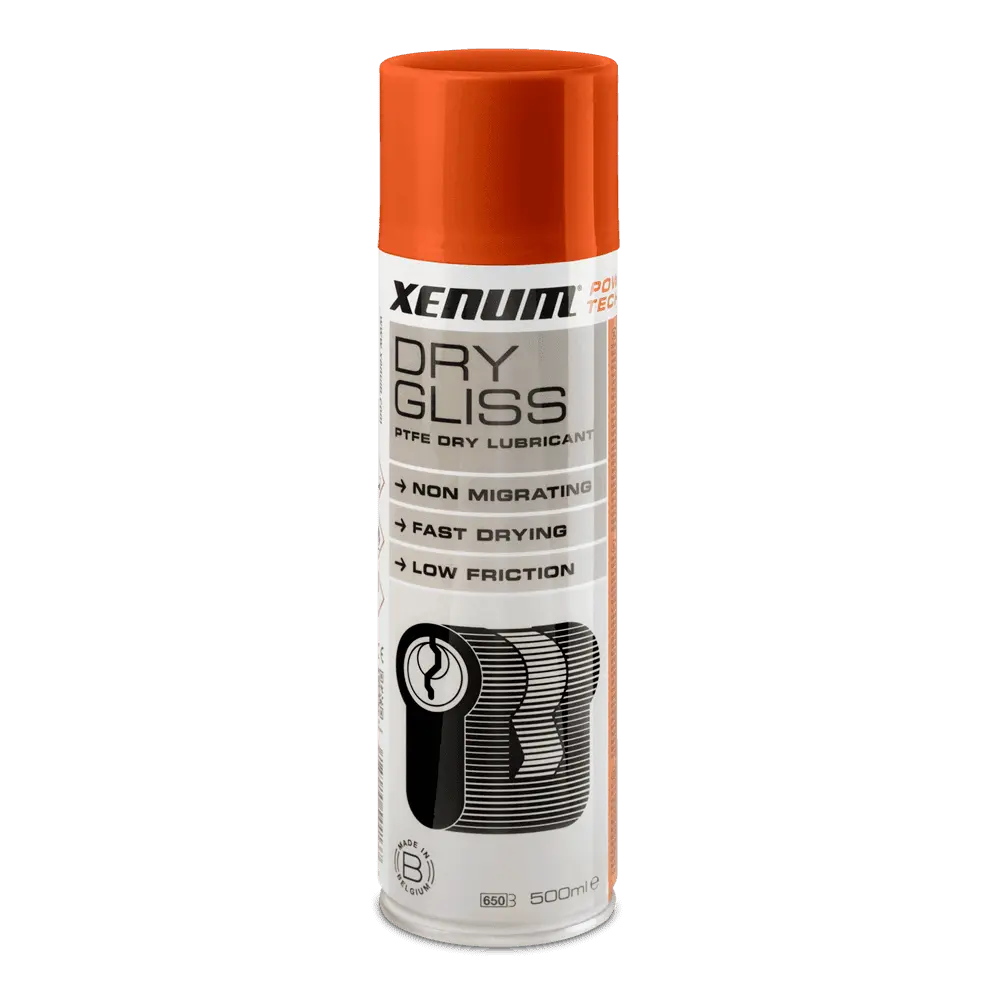
The properties of PTFE (Teflon) can be used in many situations and on various surfaces. For example, on plastic, or on rubber‑metal joints where additional lubrication is required. Its greatest advantage for us lies in the excellent properties that can be employed in situations where other solutions would be either ineffective or too expensive.
The great advantage of this product is that it easily repels dirt, dust and grime, and therefore retains its properties even during prolonged use.
Let's return to the product. Our solution – Cerflon®
After the shortcomings of PTFE (Teflon), another development was patented in 1998. It became – Cerflon®. In general, it is the same PTFE (Teflon) compound but with ceramic nanoparticles (boron nitride). The advantage of this improvement is that the additive gains higher viscosity, performs better across varying operating temperatures, and also absorbs energy more effectively. Overall – we obtained a compound of a completely different level and efficiency.

Cerflon® nanoparticles in Xenum products
Although the ceramic nanoparticles themselves significantly improve the properties of PTFE (Teflon), for our top‑grade oils we aim to achieve even more.
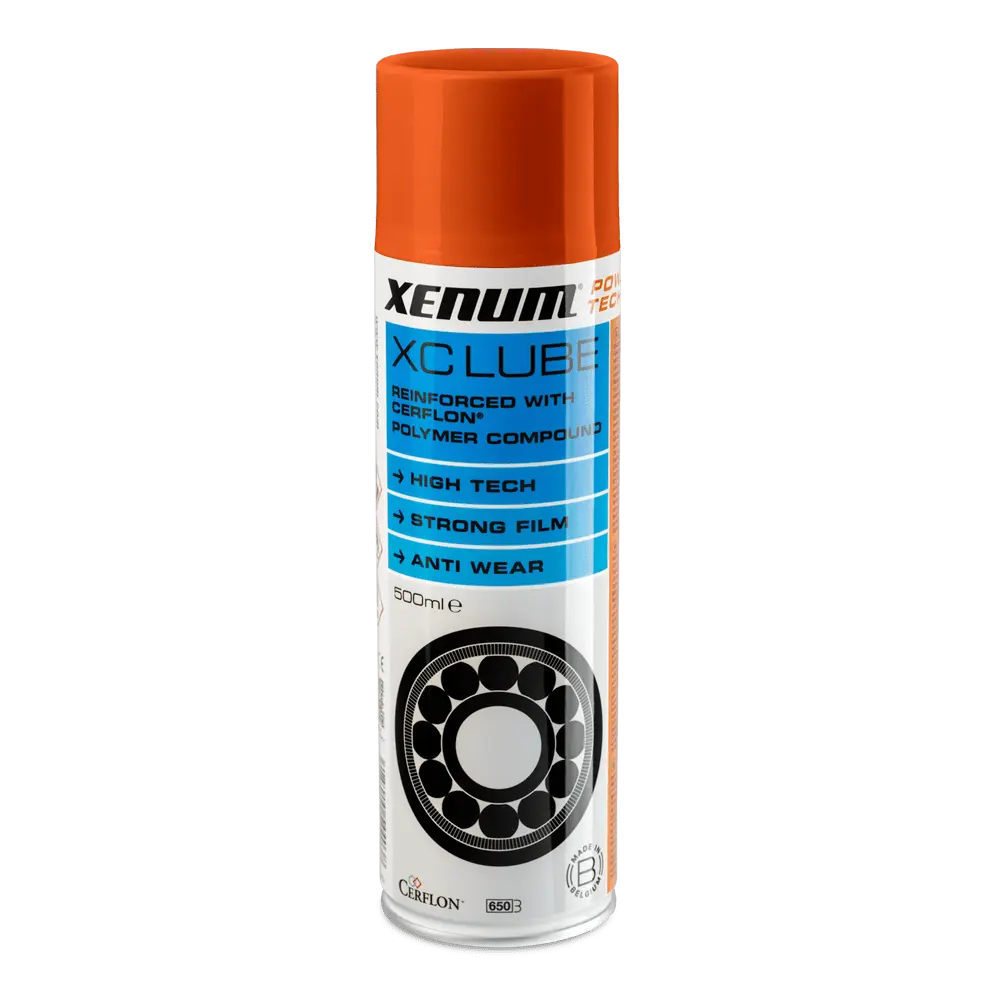
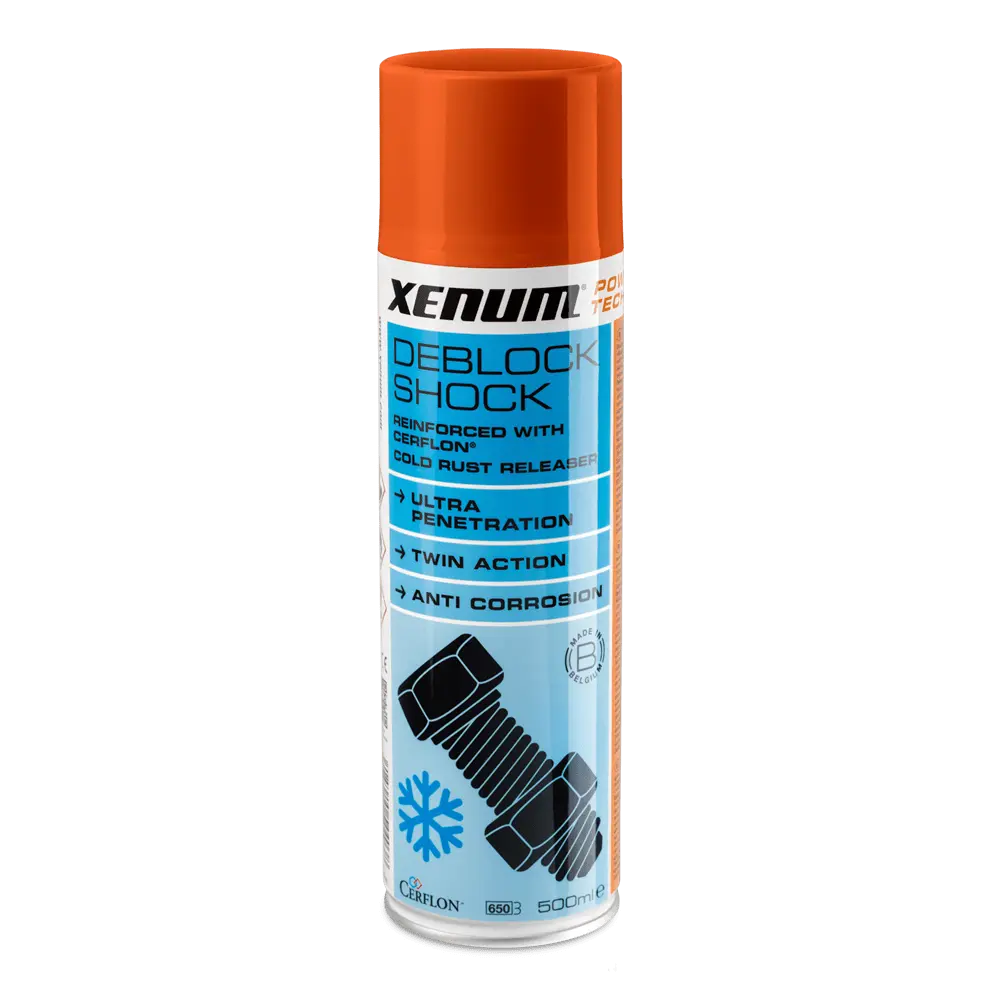
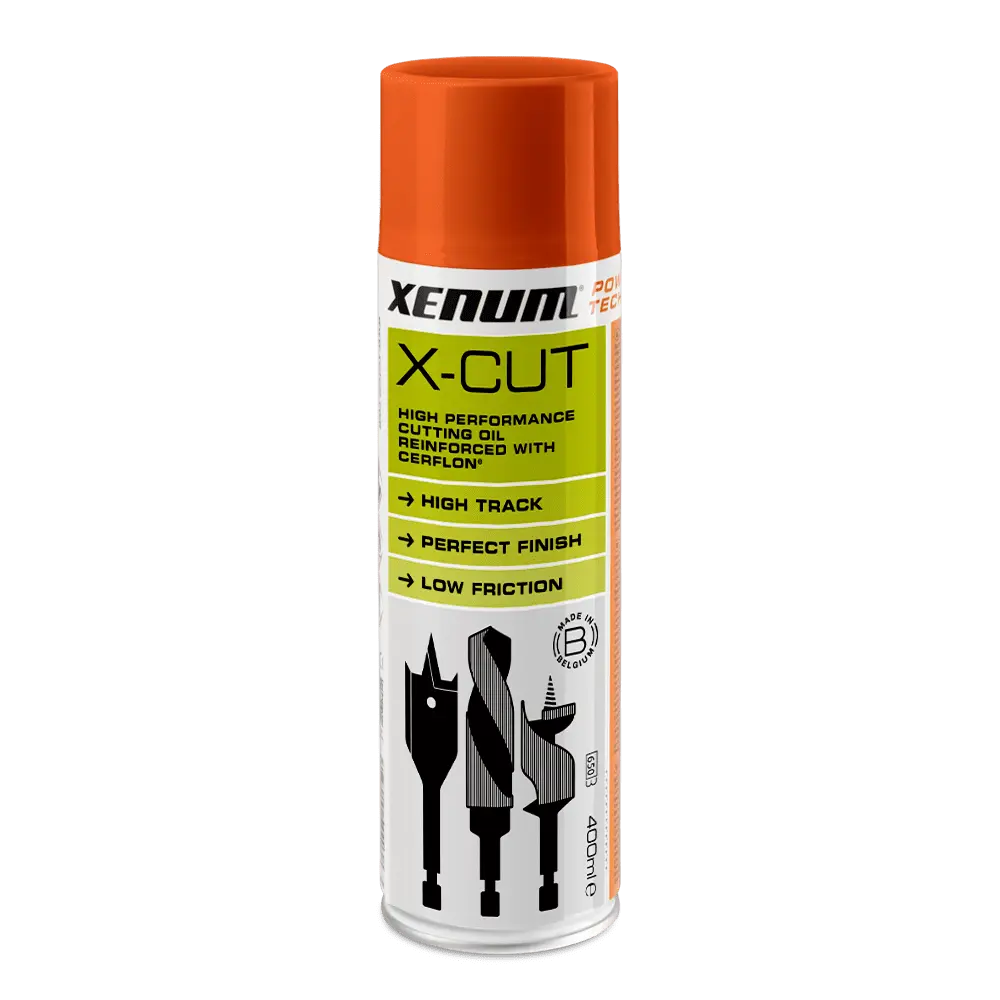
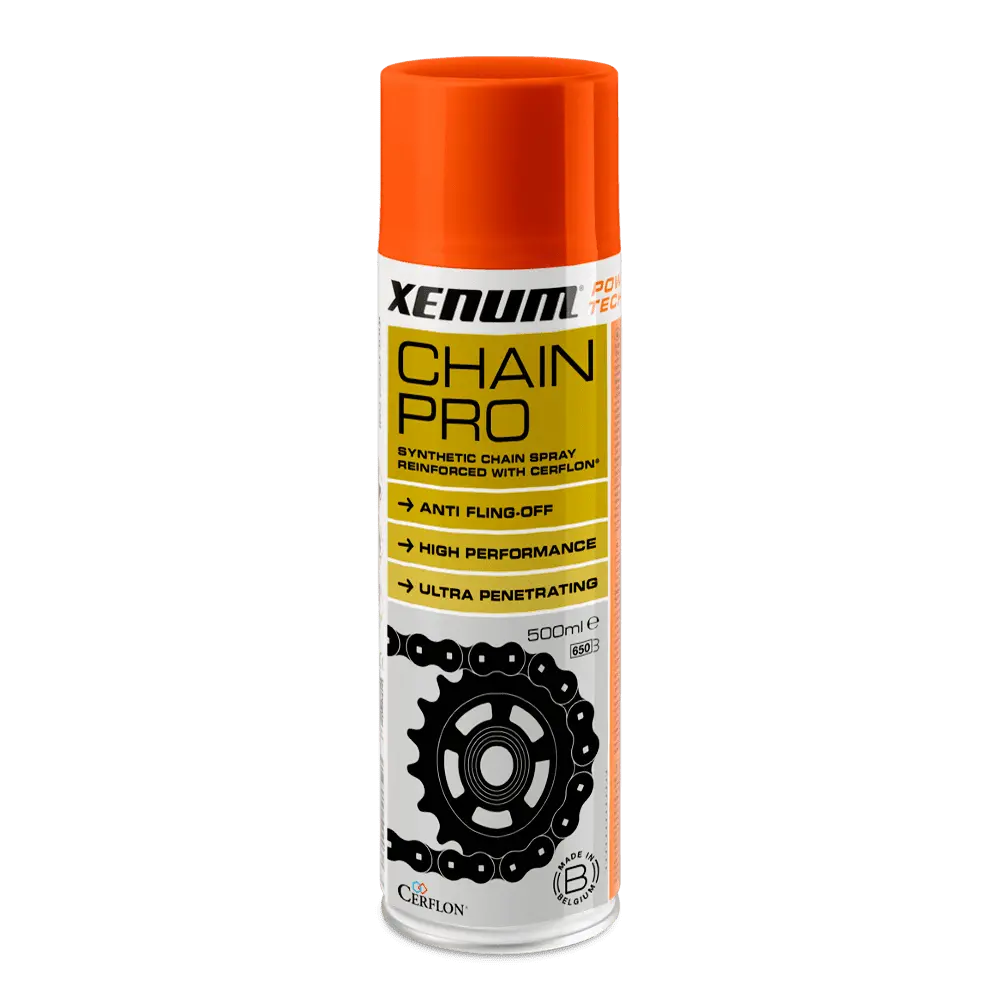
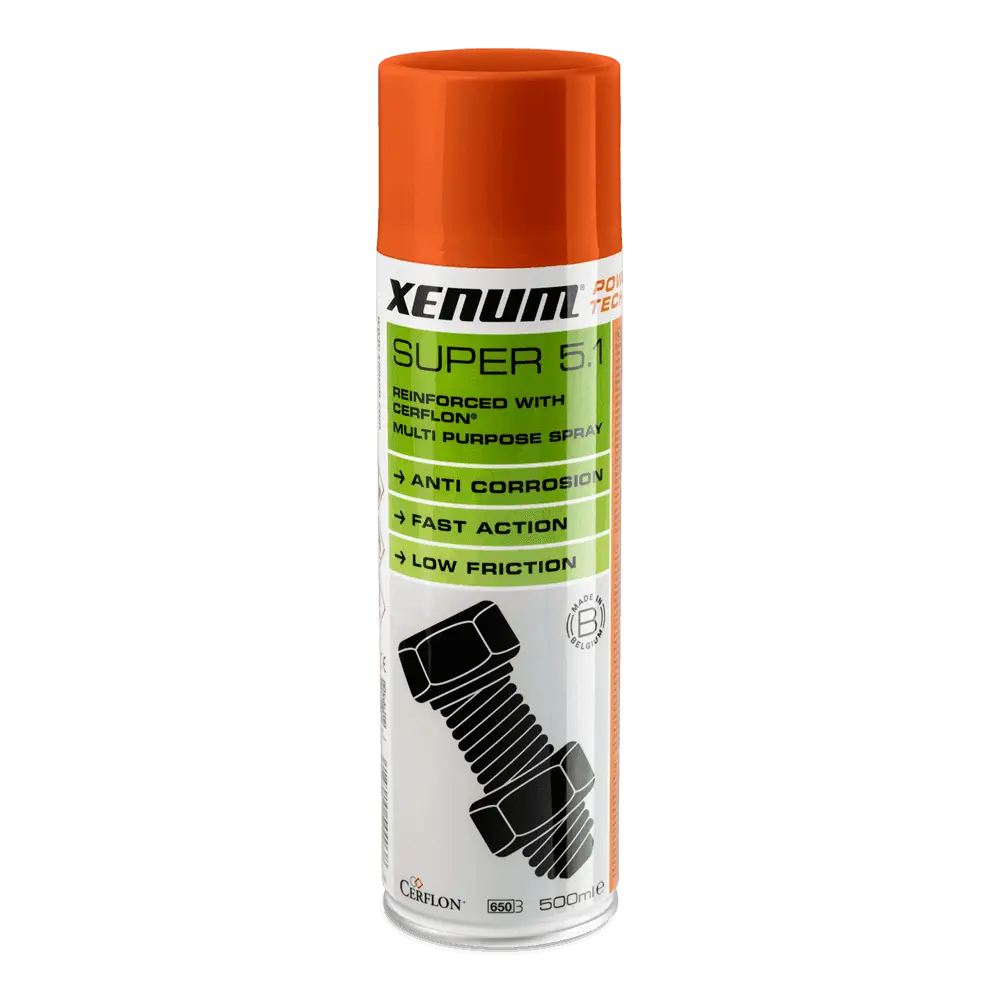
But we also do not forget the properties of Cerflon® as an excellent lubricant and use it in our products such as: Chain Pro, Super 5.1, XC Lube, Deblock Shock and X‑Cut.
As you can see, we have found applications for the compound in areas such as lubricating various surfaces, including chains, bearings, or even tools for repair or household tasks.
But we also do not forget the properties of Cerflon® as an excellent lubricant and use it in our products such as: Chain Pro, Super 5.1, XC Lube, Deblock Shock and X‑Cut. As you can see, we have found applications for the compound in areas such as lubricating various surfaces, including chains, bearings, or even tools for repair or household tasks.
Moreover, our universal grease – XCF2 also contains ceramic PTFE nanoparticles among its ingredients.
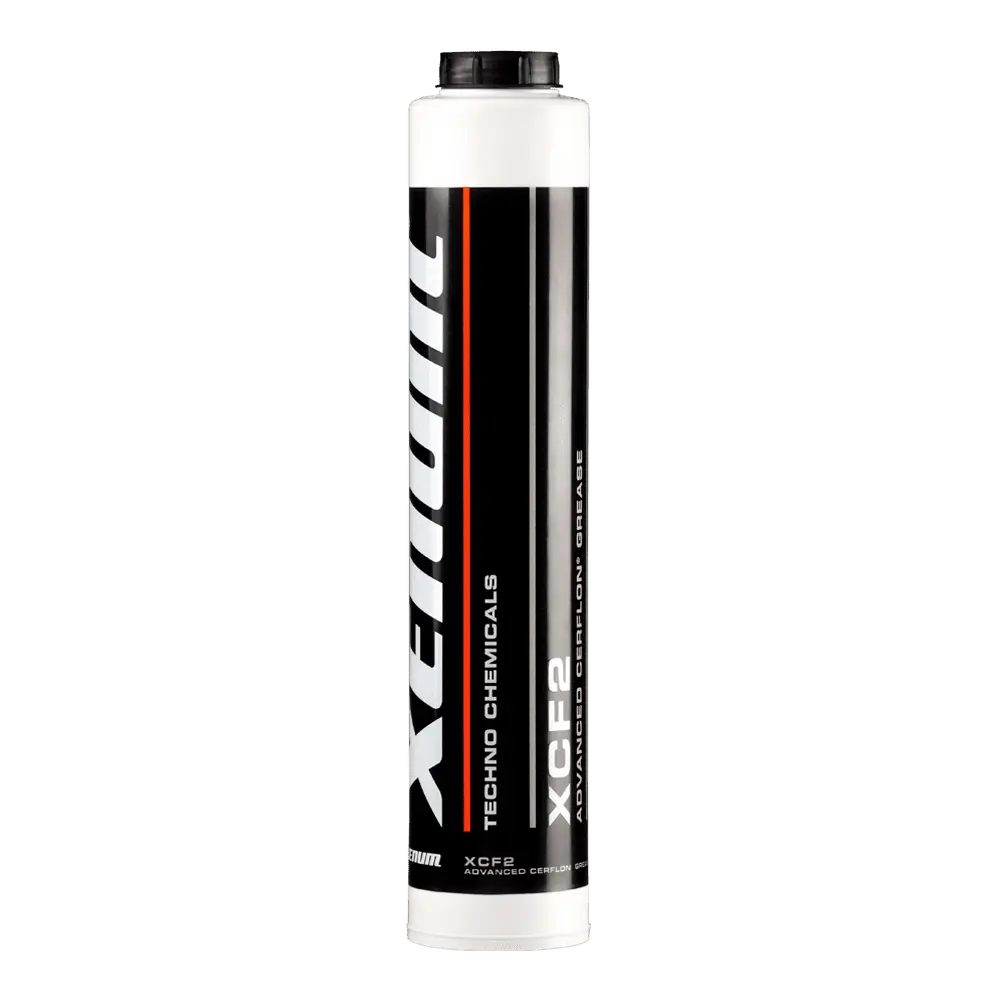
Professional lithium grease with Cerflon® for automotive and industrial use XENUM XCF2 500 ml (5011400)
Stay with us!
Subscribe to our news and receive the latest updates from the world of automotive mechanics every week. Many exciting things lie ahead that we would like to tell you about Xenum technologies and products.
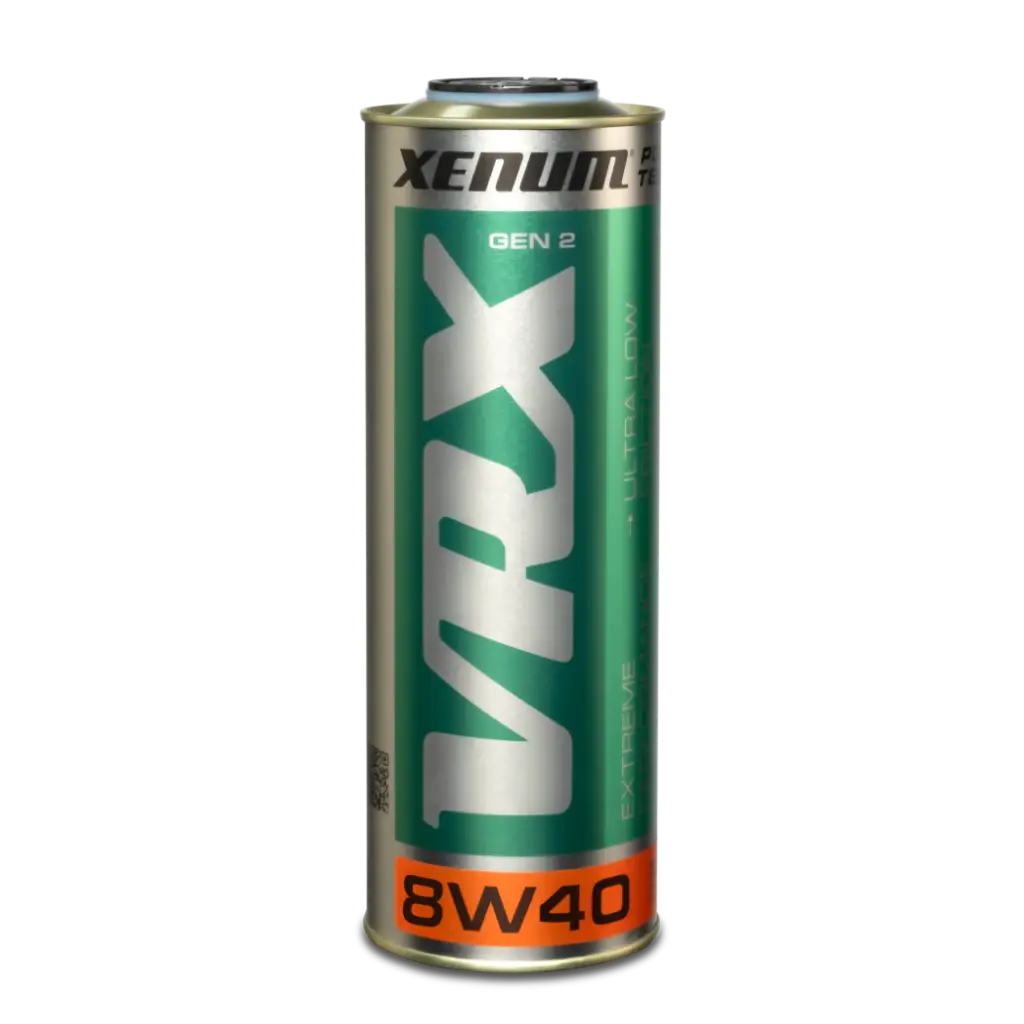
Engine oil with ceramic XENUM VRX GEN2 8W40