In our latest article we compared MoS2 (Molybdenum) , Teflon and Graphite in terms of lubricating properties.
It is time to talk about the undisputed leader in this area: ceramics (or boron nitride). It is also called “white graphite”.
Ceramic powder with hexagonal boron nitride molecules is the best component for additives. Let’s find out why it is the one.
Performance
When we talk about particles in oils, we mean materials that can reduce friction between two surfaces. The main advantage of such additives is that they significantly slow down the wear process of engine components while improving the oil’s properties.
Having analyzed the other 3 additives (PTFE – Teflon, MoS2 – Molybdenum and Graphite), we have already discussed their differences, uses, and the advantages of each.
That is why, now we would like, to begin with, to show you the numbers and studies.
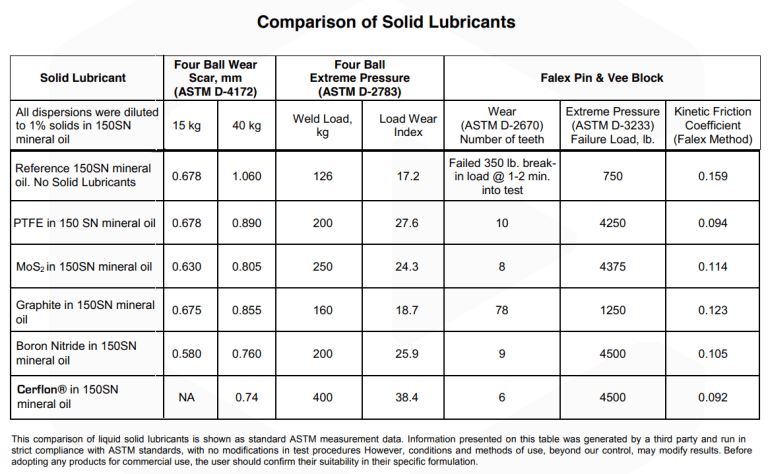
When we look at the table, we see how each material overall shows better results than the previous one.
And when we get to boron nitride, we notice that this lubricating material outperforms in every aspect. Ceramics easily withstand wear (D-4172) and extreme pressure (D-3233). Moreover, like PTFE and MoS2 it performs excellently at extreme temperatures (D-2670) and in kinetic friction tests (Falex).
You can also see that the winner – Cerflon®, mentioned in the article about PTFE (Teflon), has an overall advantage.
However, as always, we must consider all aspects. As we noted earlier, the issue with Cerflon® and PTFE is their operating temperature range. Cerflon® ceases to be effective at temperatures close to 300 ºC, whereas ceramics can withstand over 1000 ºC.
Ceramic additives from Xenum
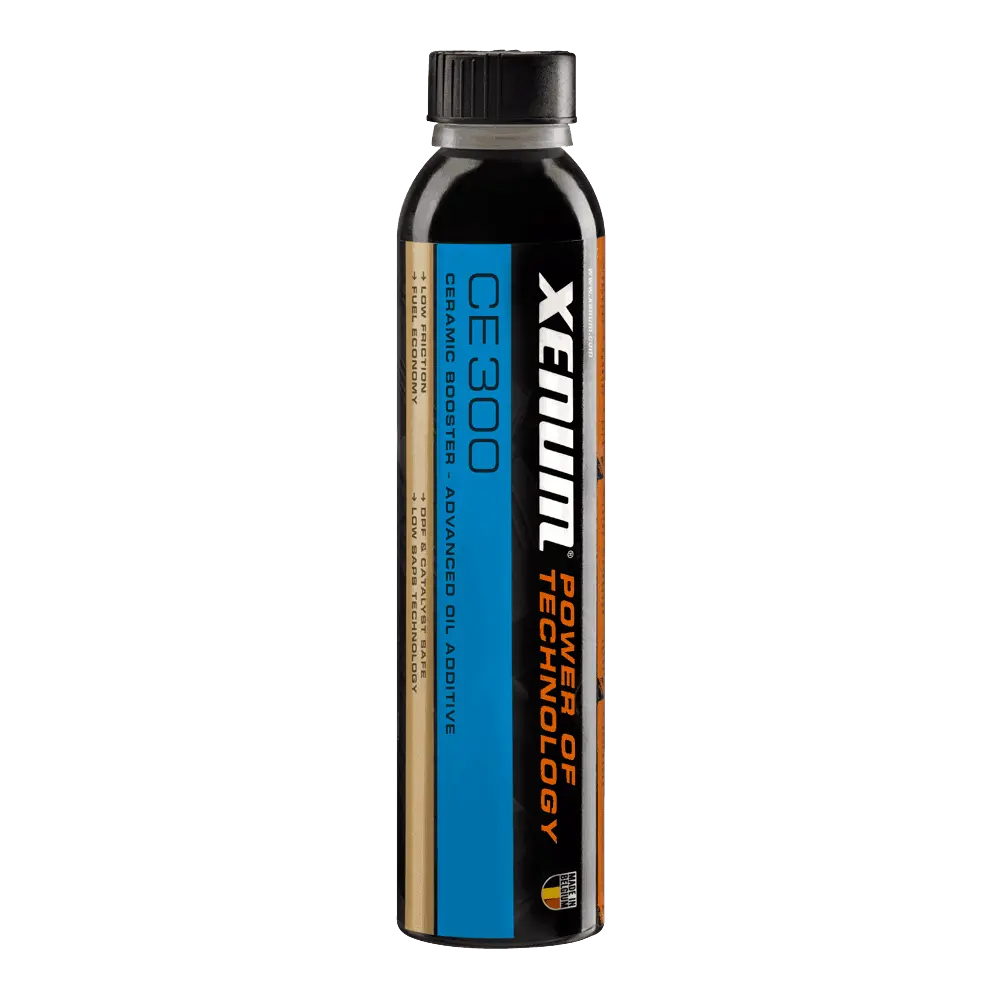
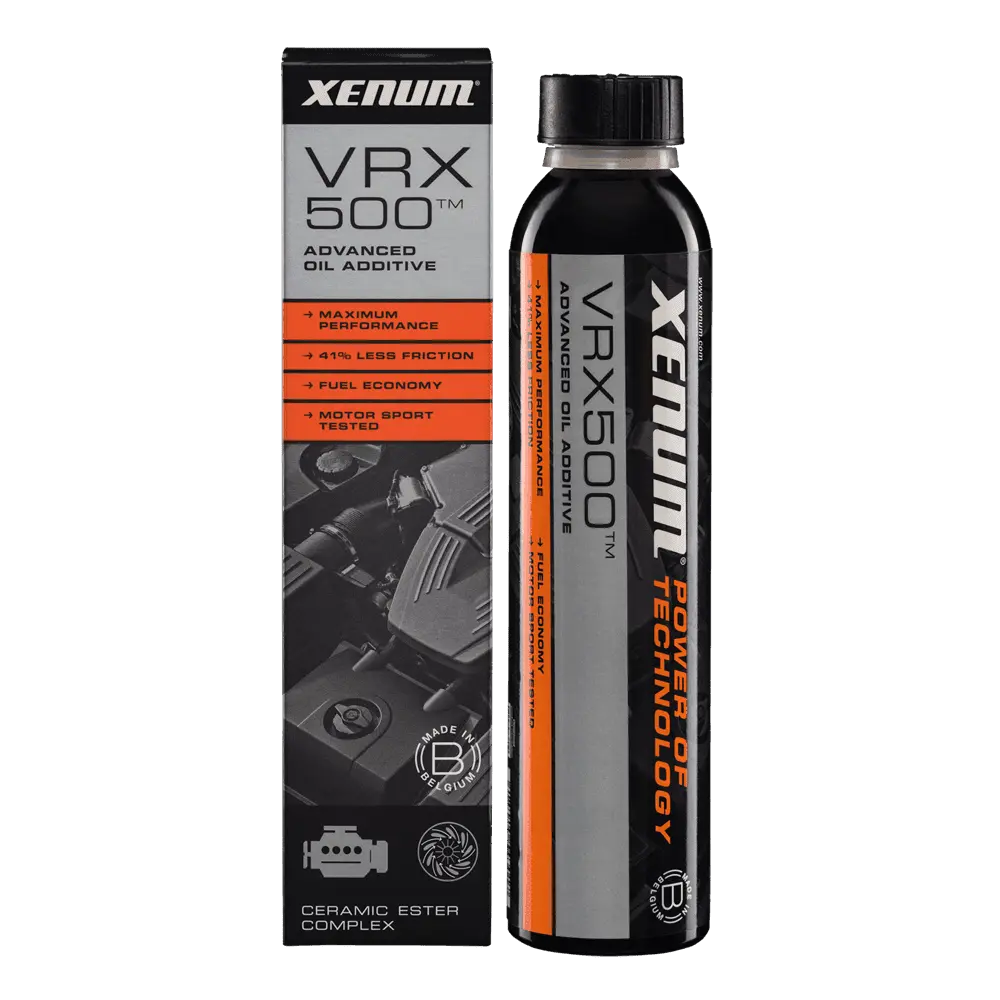
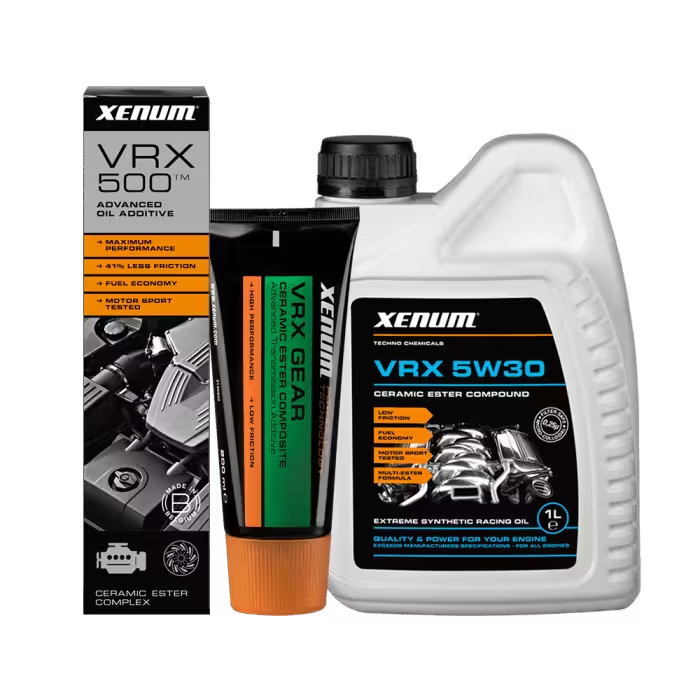
As with graphite, the potential of this additive only spurred further research. Thus the VRX product line appeared.
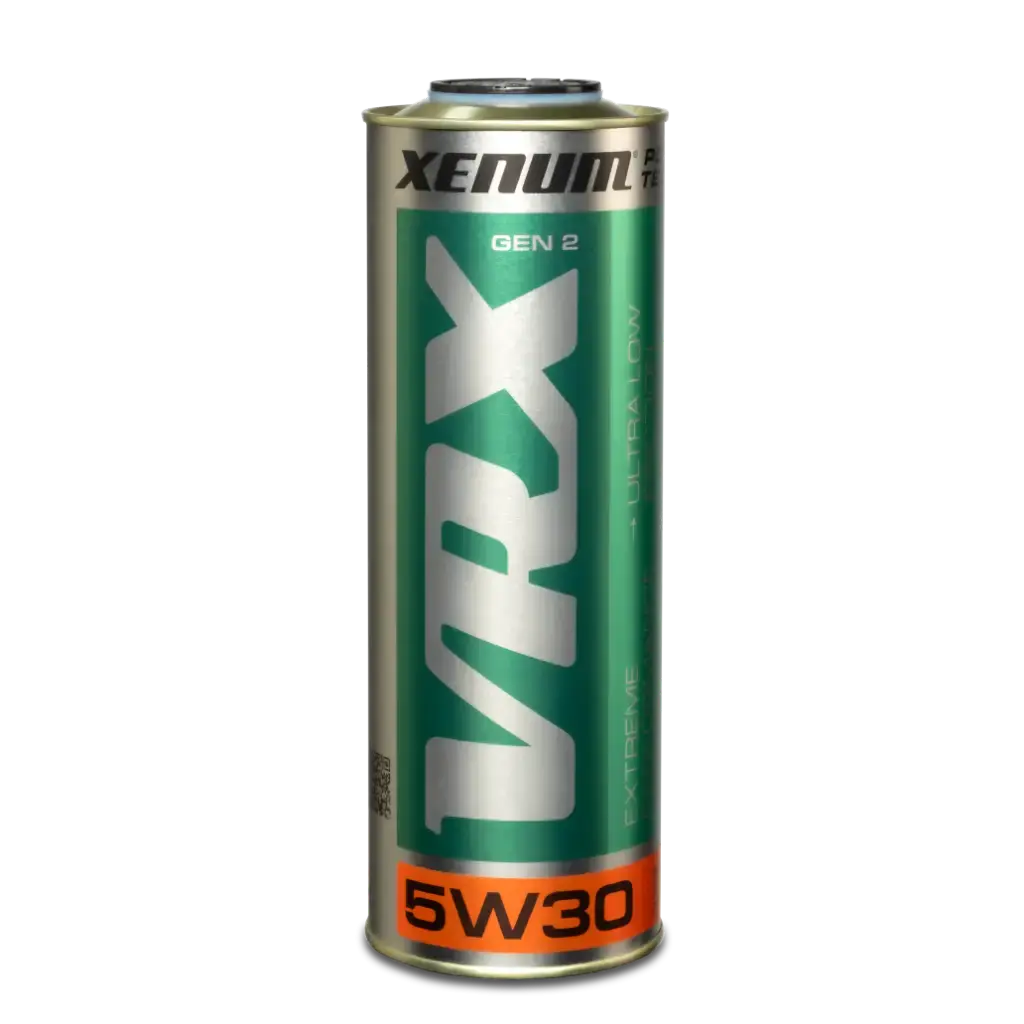
If you plan to replace your car’s oil, our recommendation – try a VRX product. At the moment we offer 5W30, 5W40 and the exclusive 7.5W40.
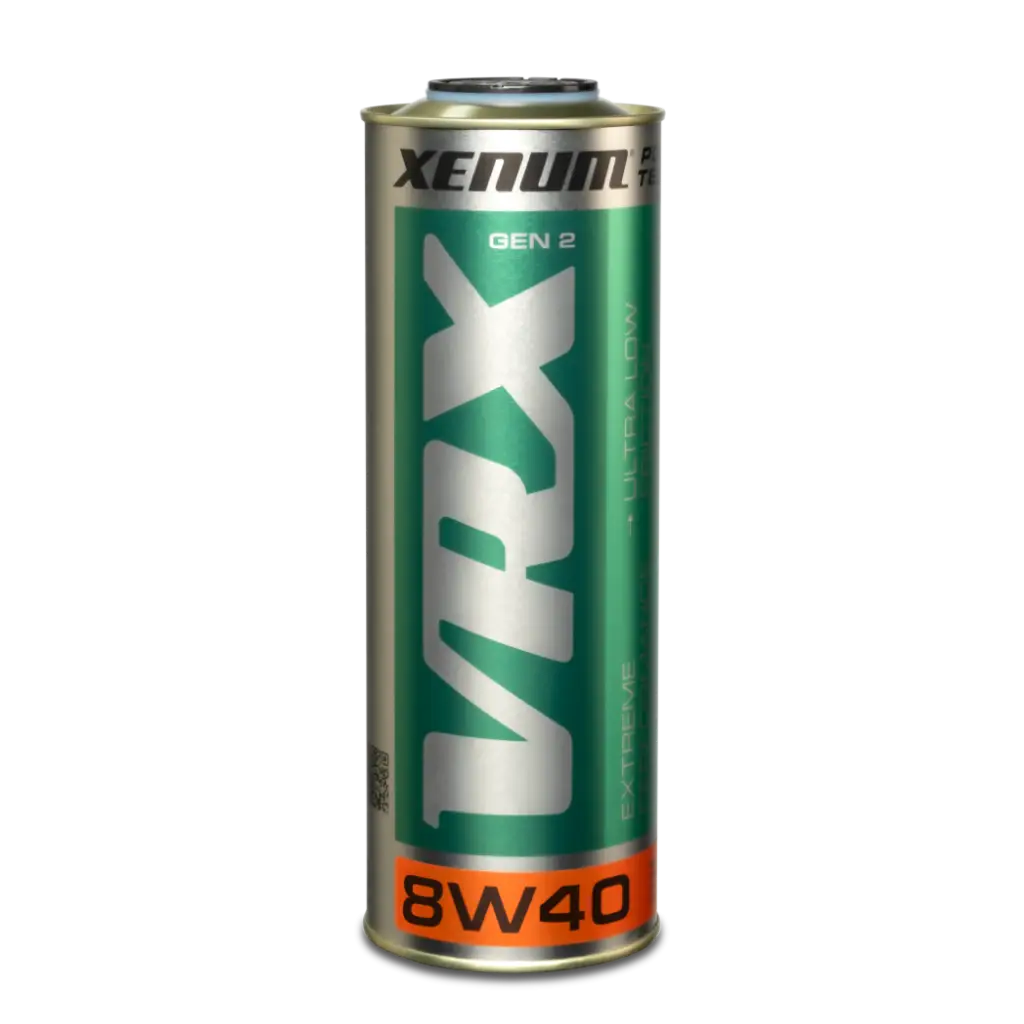
Engine oil with ceramic XENUM VRX GEN2 8W40