Anyone with a modern diesel vehicle, van or truck knows what a diesel particulate filter is. And most likely you also suffer because of it. DPF filter is a component of your vehicle that captures diesel fuel particles and soot from exhaust gases and eliminates their impact on vehicle operation. Also, you are probably aware that the DPF filter stays clean for a long time thanks to the regeneration (restoration) process that occurs at high temperatures.
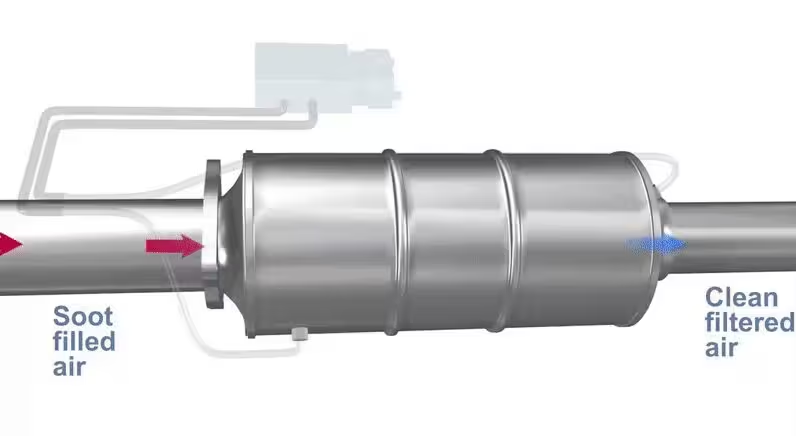
Theoretically, DPF can function correctly for a fairly long time thanks to its ability to regenerate, known as spontaneous regeneration.
For this to happen, high temperatures (above 600 °C) are required, as such conditions promote proper burning and removal of soot and solid particles. Your vehicle can experience these conditions only while traveling at high speed. This more often occurs on motorways, expressways and highways and less frequently in urban driving.
In practice, reality also makes adjustments: traffic jams and short city trips reduce the efficiency of the regeneration‑cleaning process and consequently negatively affect the operation of DPF.
The real world often demands more from a vehicle than engineers anticipated when designing the DPF. Frequent low‑temperature operation disrupts the system and leads to an unwanted DPF warning.
DPF warning illuminated: what should I do?
Most likely, your first thought will be to go to a service center, but it is always recommended to ask yourself the following questions:
- Do I often travel short distances?
- Do I often drive at low speeds?
- Is this the first time the DPF warning has appeared?
- What is my vehicle’s mileage? Low?
If you can answer “Yes” to three or more of these questions, then you can solve this problem without involving mechanics and significant expense. All you need is a quality additive that will accelerate the proper regeneration DPF.

Using catalyst additives for DPF cleaning
The simplest way to achieve improved regeneration is to add a catalyst (additives that accelerate the chemical reaction) to the fuel. This type of catalyst is called an additional fuel catalyst – Fuel Borne Catalyst (FBC). Such catalysts contain one of the following components in their structure:
- Metal compounds: Carbon additives based on metal oxides that remain from the combustion process in the engine and later enter the exhaust system.
- Organometallic compounds or organic salts: combustion in the engine activates these compounds to produce metal oxides / sulfates in the exhaust gas.
Almost all such catalysts are metal compounds, the most well‑known of which are ferrocene – ferrocene (iron oxide), cerium – cerium (cerium oxide) and platinum – platinum (Adam's Catalyst).
The main advantage of such catalysts is that they burn soot residues at lower temperatures.
Also, it should be noted that each type has its own specific beneficial properties and characteristics.
Ferrocene ferrocene (iron oxide) is the most popular component of such catalyst additives for DPF cleaning; however, cerium (cerium oxide) and its compounds have twice the catalytic (accelerating) activity of comparable iron oxides. As a result, cleaning is faster and more thorough.
Additionally, cerium oxide (cerium oxide) creates significantly fewer powder residues, making the reaction safer for all other vehicle components.

Xenum additives for DPF cleaning
After all these detailed descriptions of the process and the specifics of each compound, you are probably wondering which ones were chosen for Xenum additives.
We will explain that in the next article, but here you can get a hint:
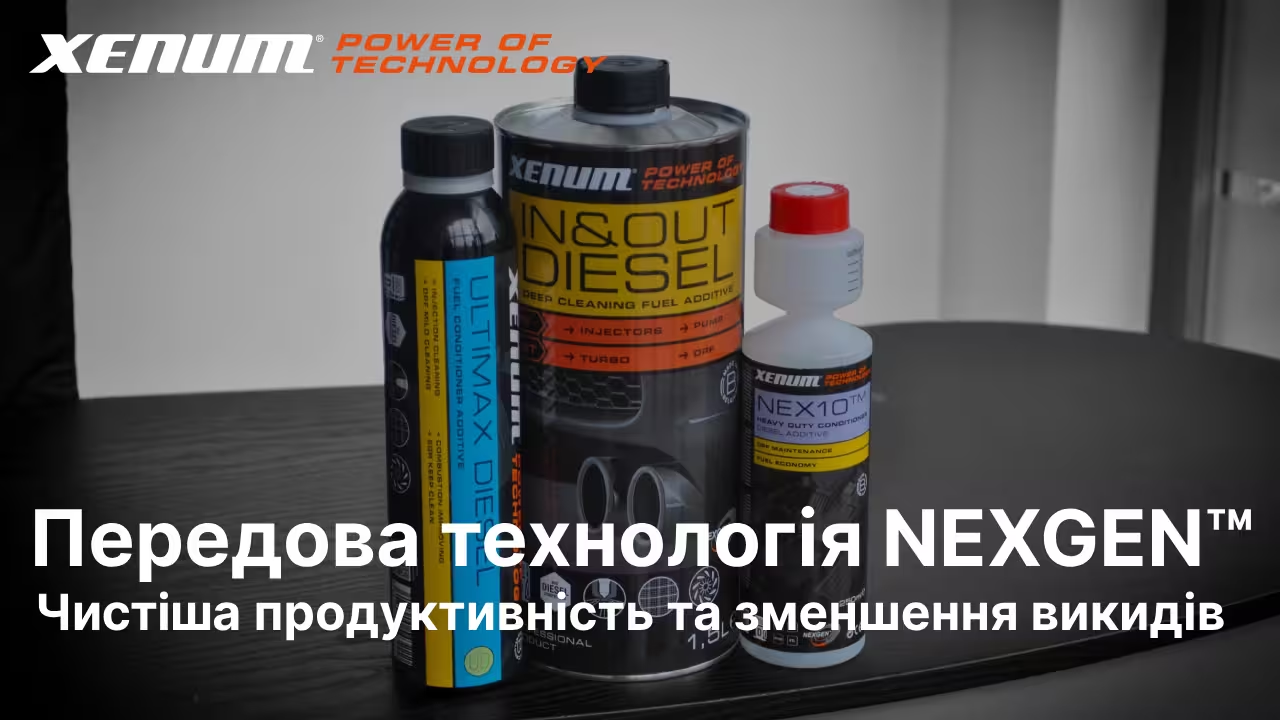
NexGen™
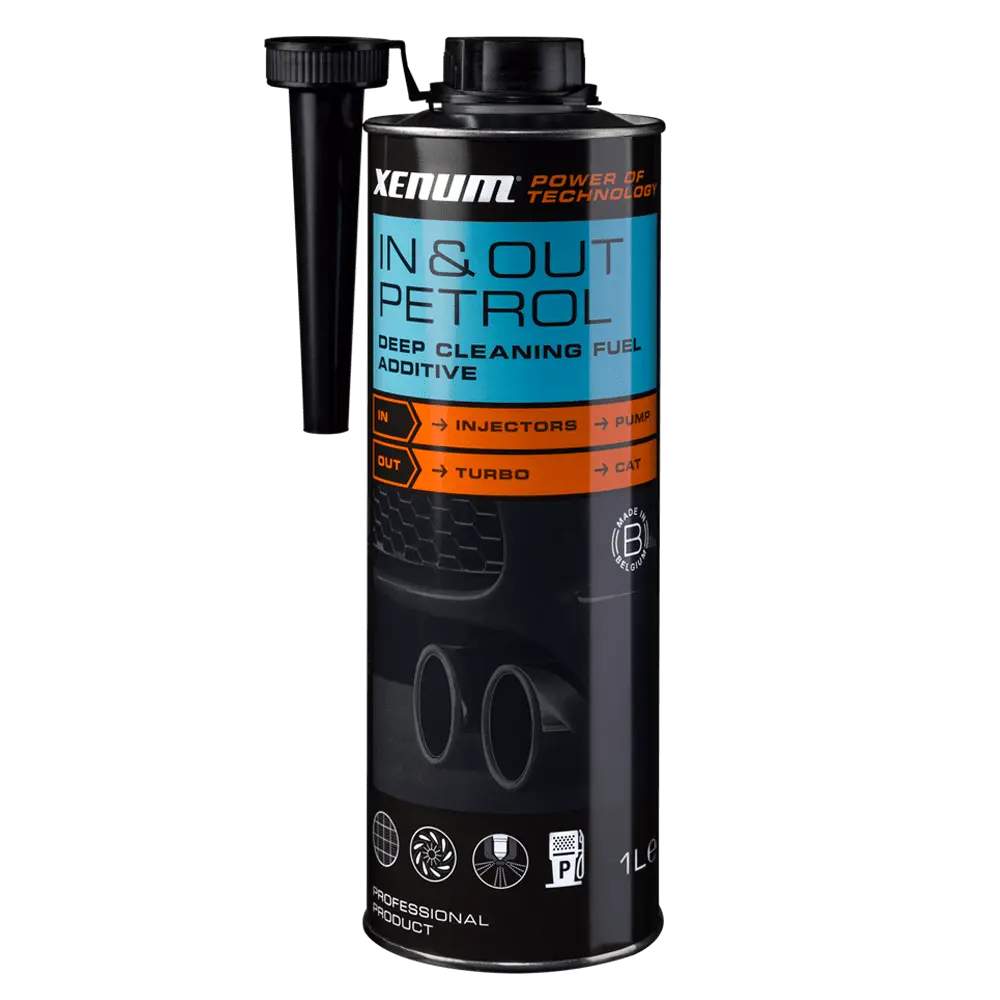
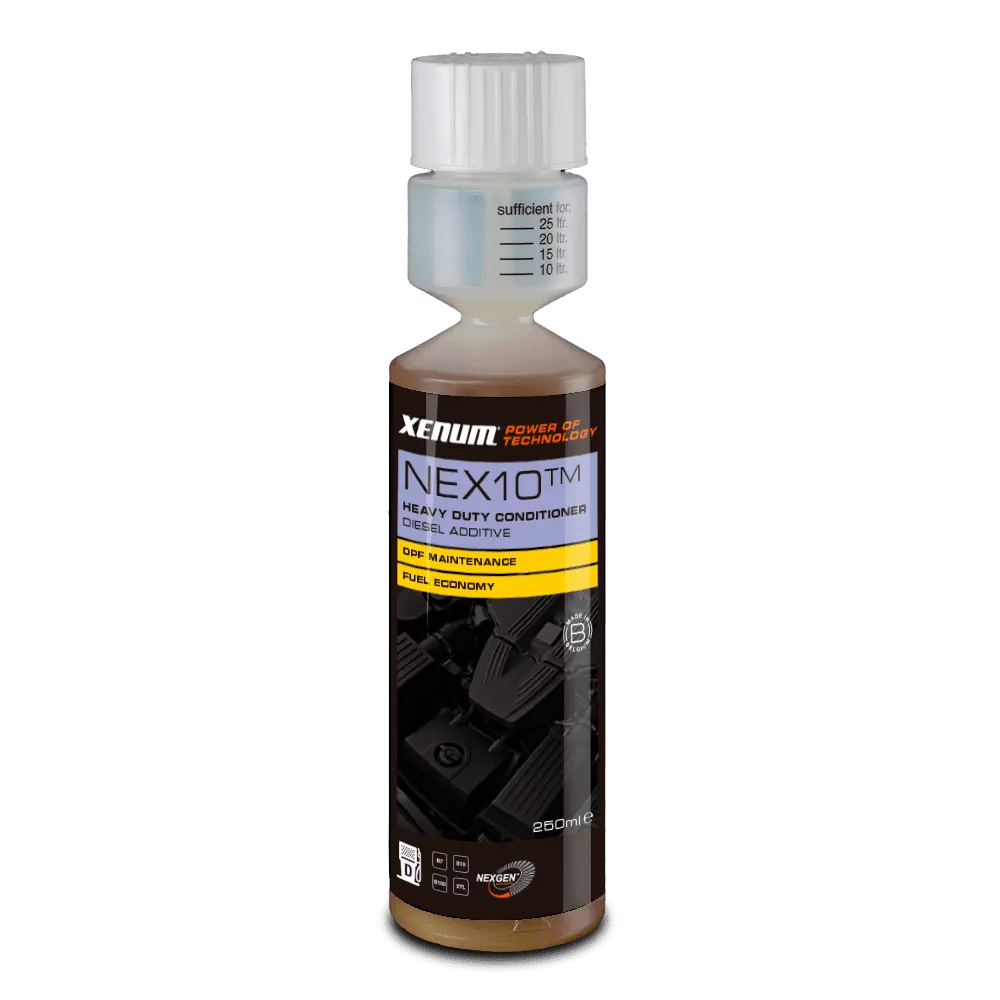
Revolutionary diesel fuel improvement additive NEX10
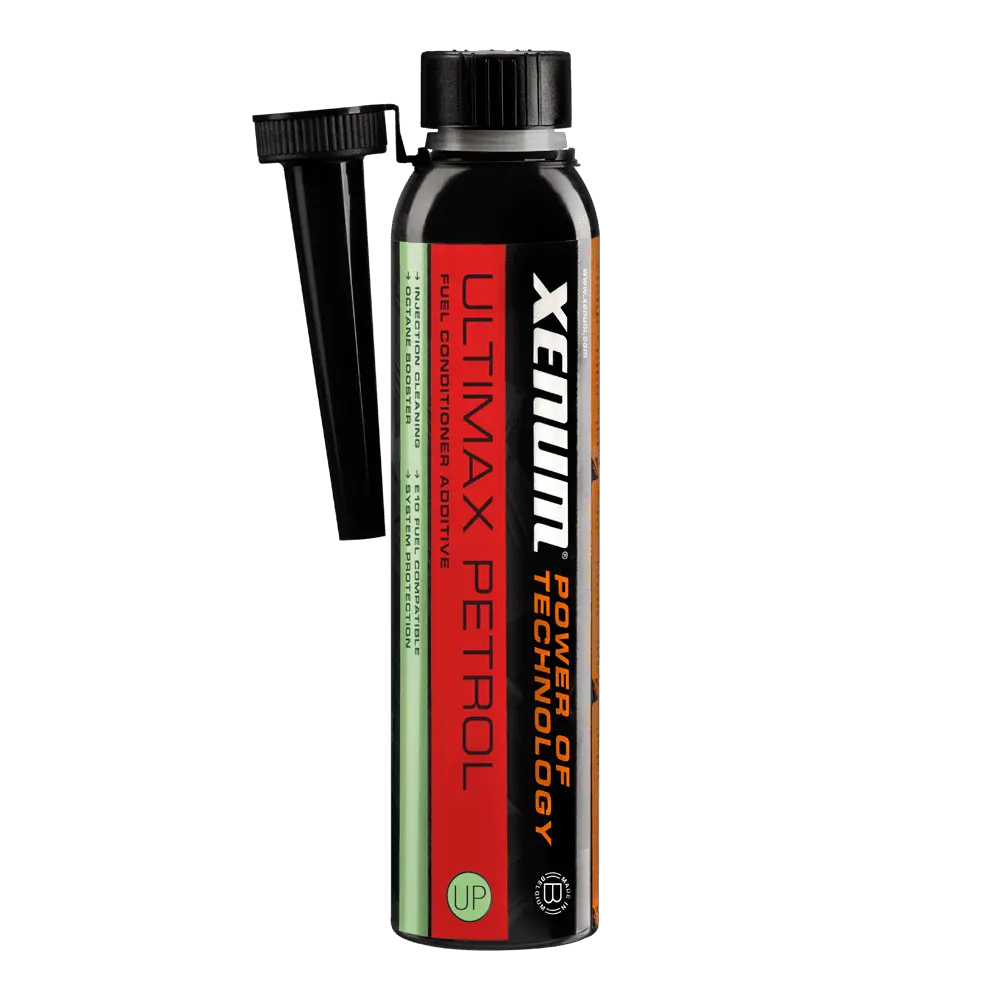
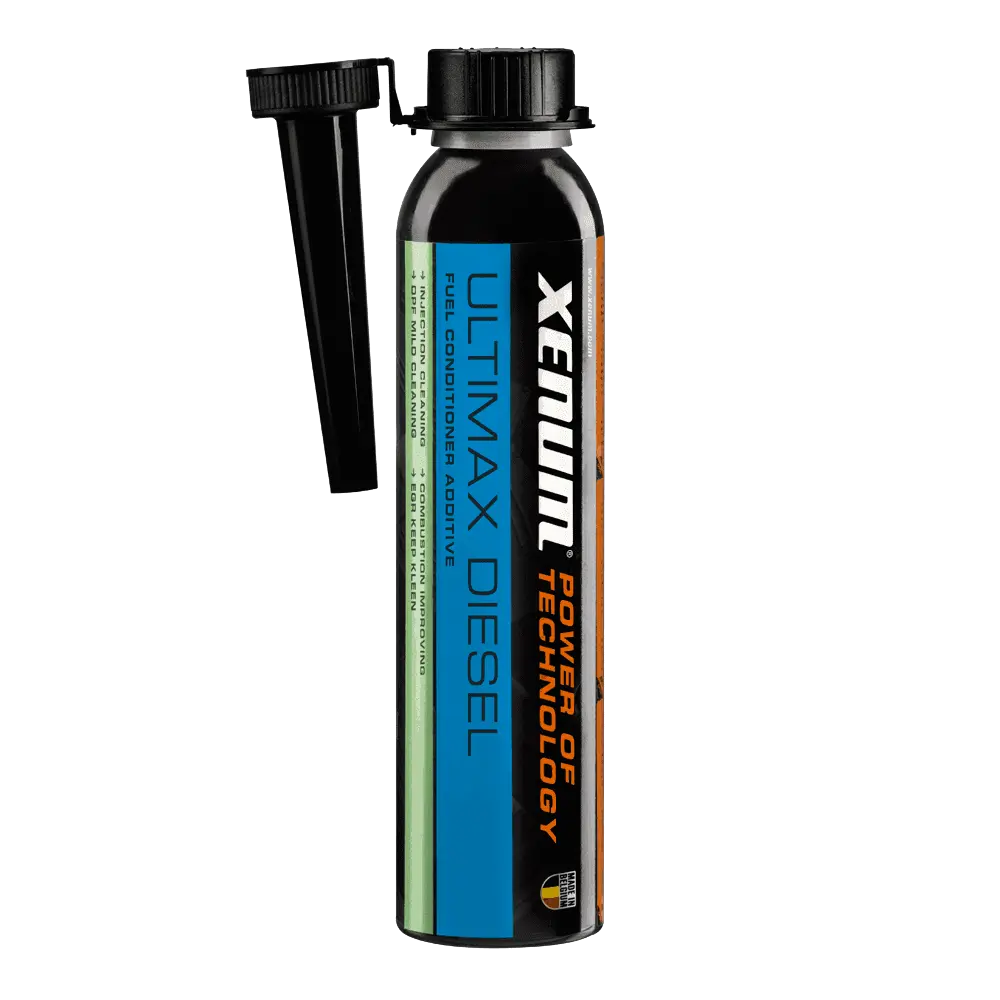
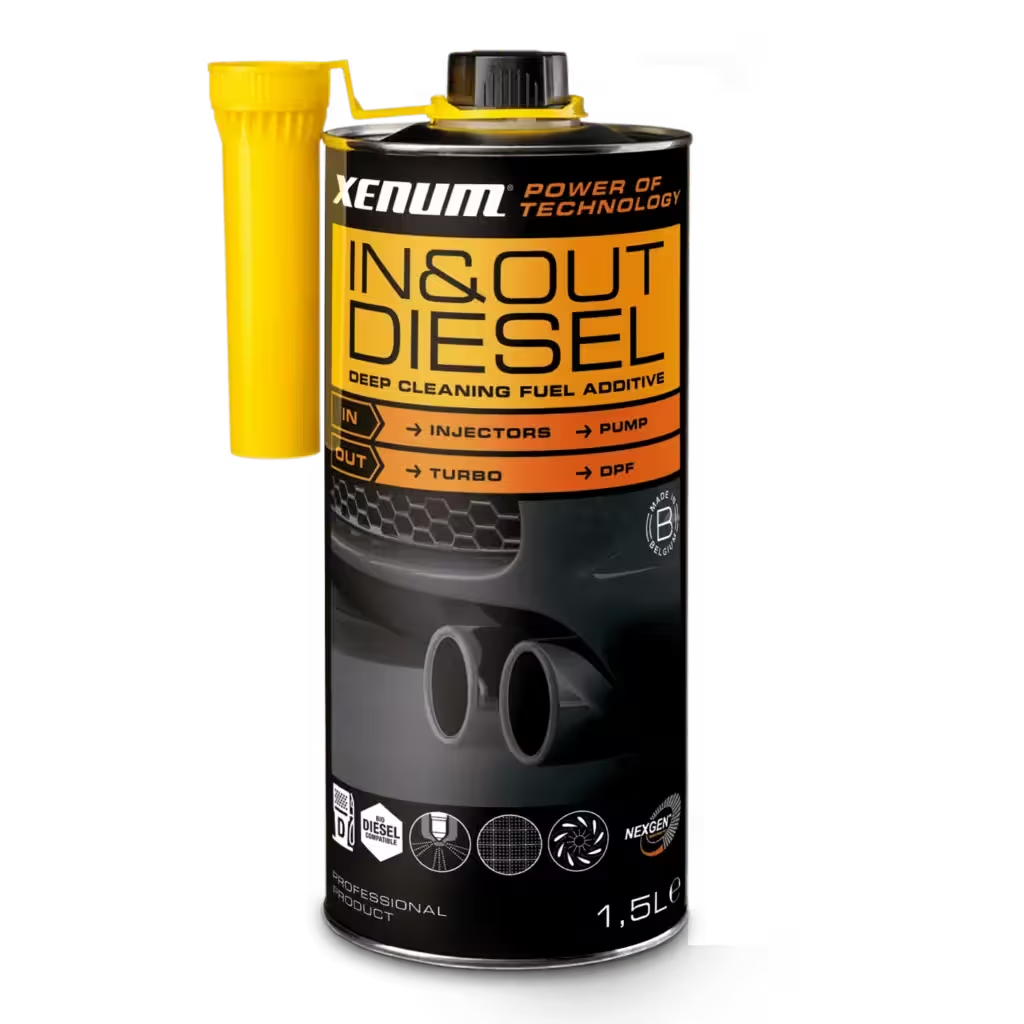
Finally, don't forget to subscribe to our newsletter to receive weekly news and updates when the next article about our products is ready. Also, all subscribers will get access to exclusive discounts and professional tips regarding your vehicle.
We'll be in touch!
If you need a consultation or advice regarding your vehicle, contact the specialists at Xenum Ukraine.