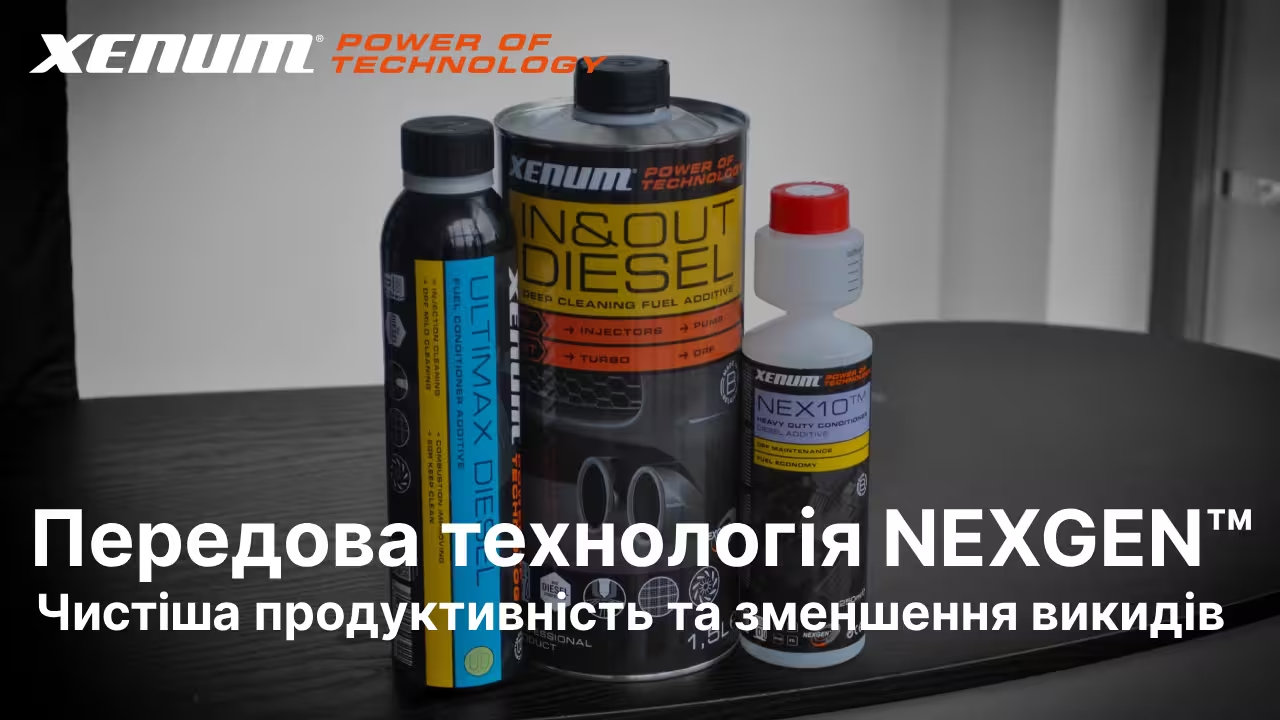
Earlier we already analyzed DPF functions and the best additives for its restoration. Today we focus on situations where restoration and cleaning are no longer as effective.
You may have already tested our In & Out, revved the car to high tachometer readings, yet the DPF warning still persists.
When this happens, you might start thinking about a complete DPF replacement. However, such a decision will consume a disproportionate amount of time and money. That’s why we suggest working closely with the vehicle and using DPF Flush.
DPF Flush.
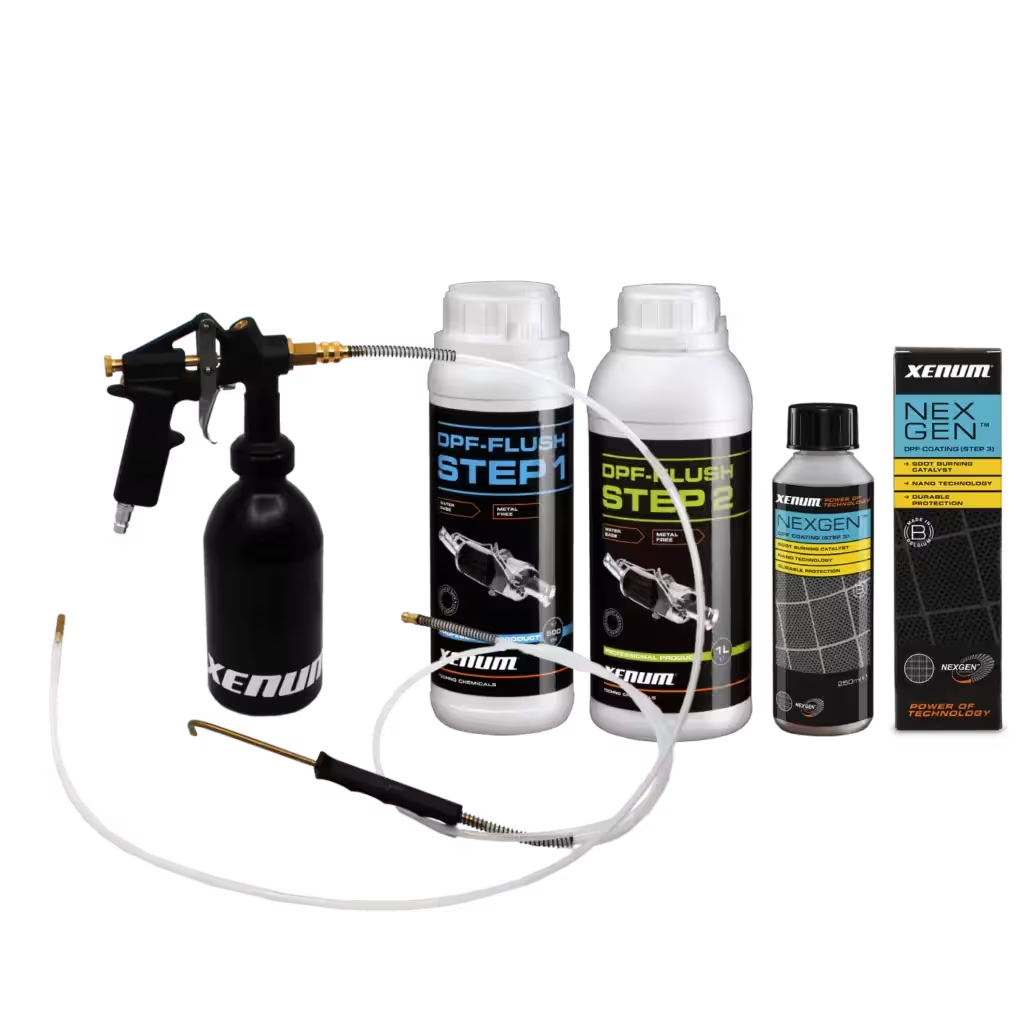
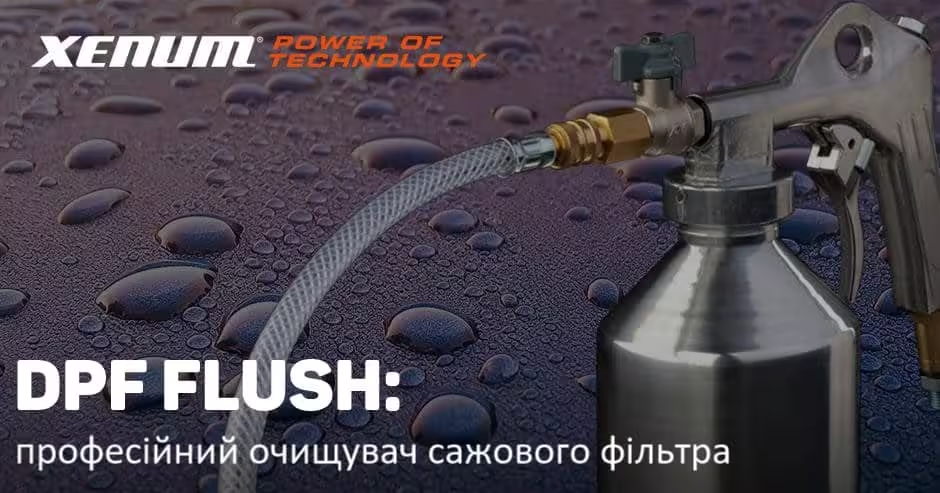
DPF Flush, developed by Xenum, is a two‑step cleaning device for the system, removing all soot and ash.
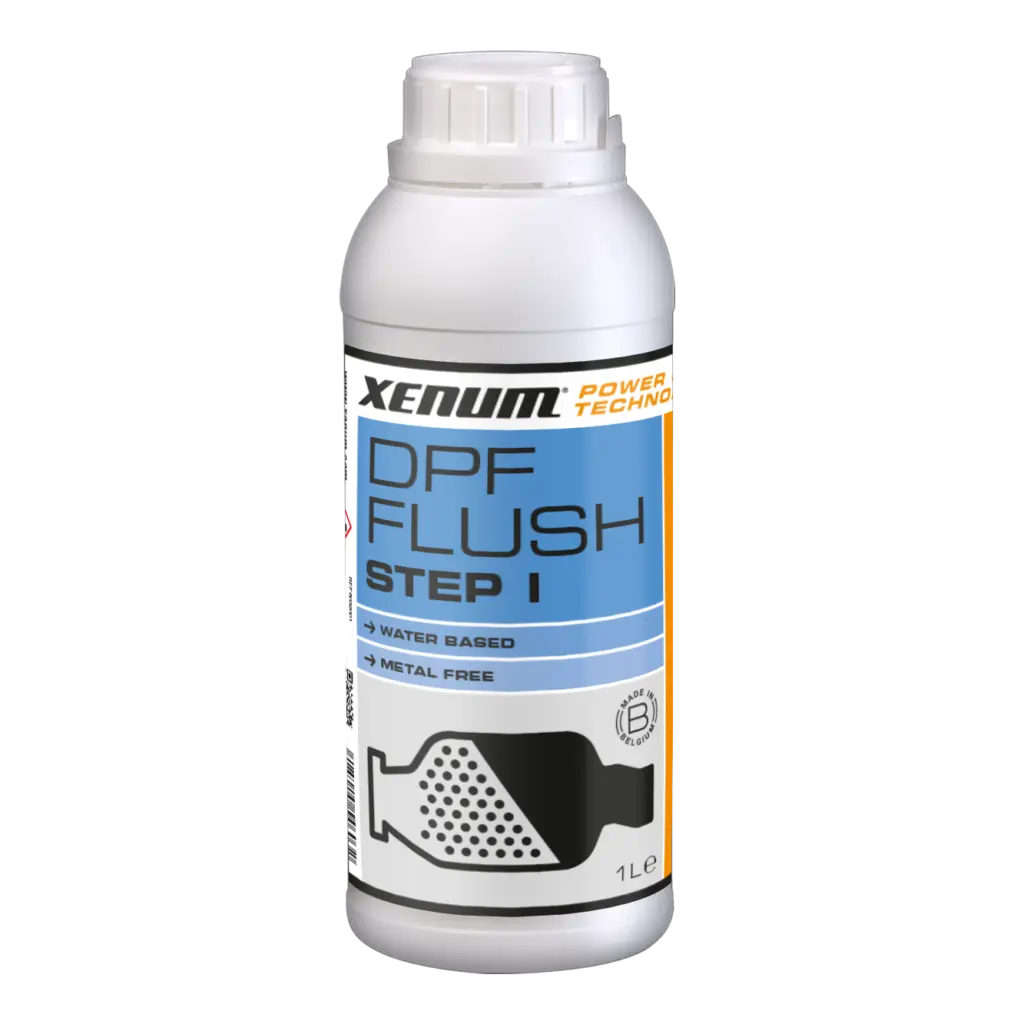
- DPF Flush Step 1: The fluid that will be sprayed by the device into the DPF begins to interact with and dissolve soot and carbon residues in the particulate filter.
- First, start the engine and let it warm up for a few minutes, then turn it off. Insert the device nozzle into the DPF and spray the product into the filter. Wait a few minutes, then restart the engine and let it run for a few minutes at 3,000 rpm.
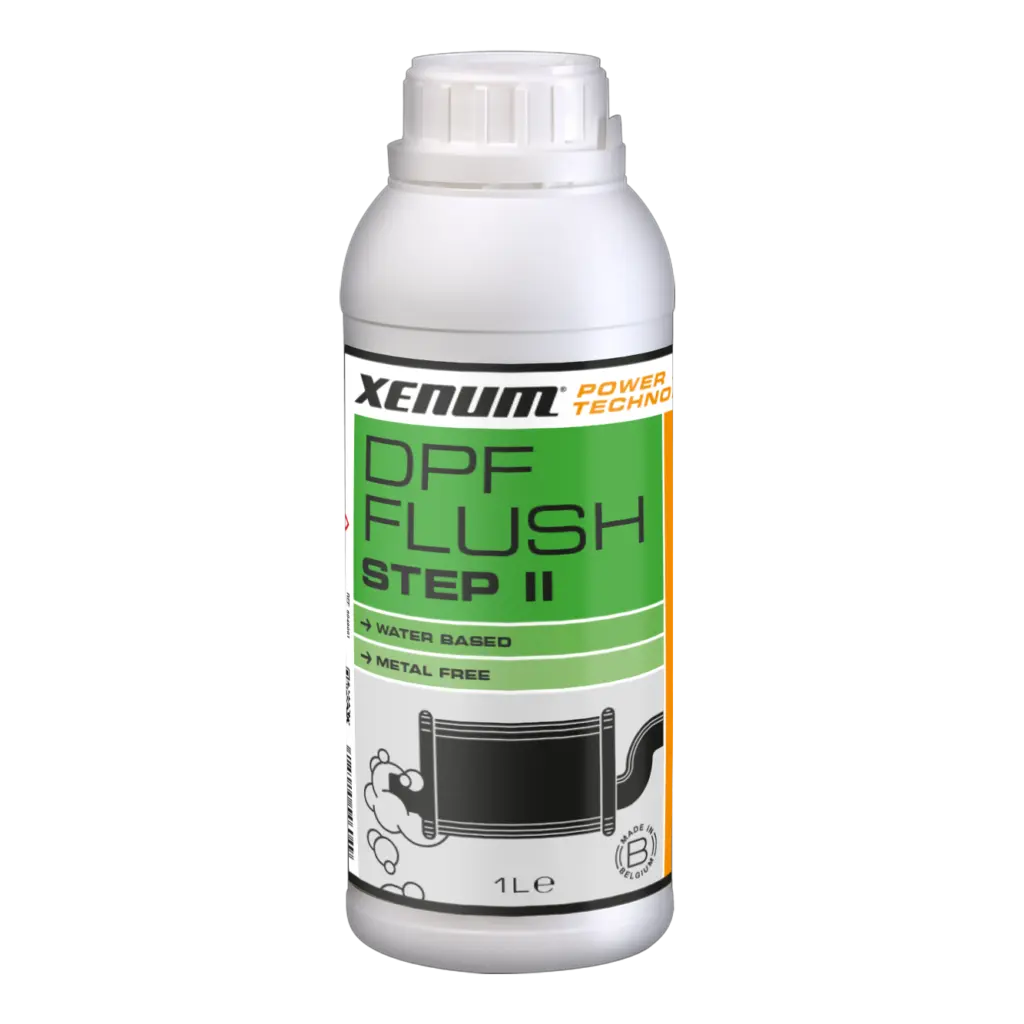
- DPF Flush Step 2: The cleaner is capable of even extracting grime and dirt from the system.
- Spray the contents of fluid No. 2 into the DPF. Afterwards, keep the engine at 2,000 – 2,500 rpm until the entire product is used. You can then test the car for the next 20 minutes at high revs (around 3,000) to promote effective cleaning.
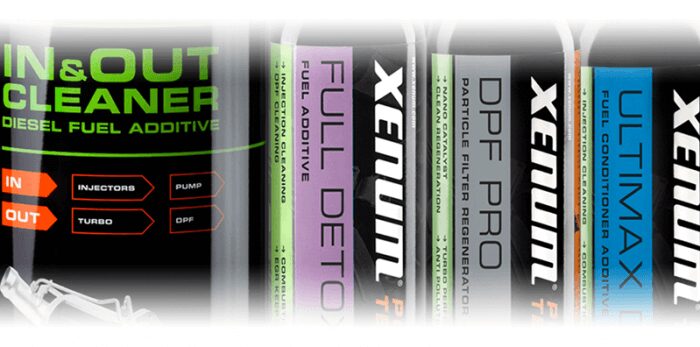
We recommend using one of our additives immediately after the DPF Flush treatment. The additive will clean all other parts of the fuel system from dirt.